

You don't need an excuse to have beautiful nails. Step outside without worrying about the appearance of your feet.

Houston (832) 673-0500
Sugar Land (281) 313-6300


You don't need an excuse to have beautiful nails. Step outside without worrying about the appearance of your feet.

A metatarsal foot fracture is a break in one of the long bones located in the forefoot, which connect the midfoot to the toes. These bones play an important role in balance, walking, and weight distribution. A fracture in this area can range from a small stress crack to a complete break. Metatarsal fractures are common foot injuries and may occur suddenly due to trauma or gradually from repetitive stress over time.
Symptoms of a metatarsal fracture include sharp pain in the top or ball of the foot that worsens with movement or weight bearing. Swelling, bruising, and tenderness are also common, and the foot may appear visibly swollen or misshapen in more severe cases. Some individuals may feel a popping sensation at the time of injury. Walking often becomes difficult, and limping may develop as the body attempts to avoid pressure on the injured area.
There are several risk factors associated with metatarsal fractures. High-impact sports, such as running, basketball, or soccer, increase the likelihood of injury due to repetitive force on the forefoot. Wearing improper footwear that lacks support or cushioning can also contribute. Structural foot issues, such as high arches or abnormal gait patterns, may place uneven stress on the metatarsals. Bone conditions like osteoporosis can further weaken bone strength, increasing fracture risk.
The causes of metatarsal fractures include both acute trauma and overuse injuries. Acute fractures may result from a sudden injury, such as a direct blow to the foot or twisting of the ankle. Overuse fractures, often called stress fractures, develop gradually due to repeated strain without adequate rest. Early diagnosis is important to prevent complications and promote healing. If you have broken your foot, it is suggested that you promptly consult a podiatrist who can determine what the best treatment is for your type of fracture.
A broken foot requires immediate medical attention and treatment. If you need your feet checked, contact Dr. Sybil J. Fisher from Texas. Our doctor can provide the care you need to keep you pain-free and on your feet.
Broken Foot Causes, Symptoms, and Treatment
A broken foot is caused by one of the bones in the foot typically breaking when bended, crushed, or stretched beyond its natural capabilities. Usually the location of the fracture indicates how the break occurred, whether it was through an object, fall, or any other type of injury.
Common Symptoms of Broken Feet:
Those that suspect they have a broken foot shoot seek urgent medical attention where a medical professional could diagnose the severity.
Treatment for broken bones varies depending on the cause, severity and location. Some will require the use of splints, casts or crutches while others could even involve surgery to repair the broken bones. Personal care includes the use of ice and keeping the foot stabilized and elevated.
If you have any questions, please feel free to contact one of our offices located in Houston and Sugar Land, TX . We offer the newest diagnostic and treatment technologies for all your foot care needs.

Hammertoe is a deformity that causes one or more of the smaller toes to bend downward at the middle joint instead of lying flat. At first, the toe may still be flexible, but it can become stiff if left untreated. This change in toe position places extra pressure on the top of the toe and the ball of the foot. Symptoms include pain, swelling, corns, calluses, and difficulty wearing shoes comfortably. The condition can develop because of muscle imbalance, arthritis, injury, or wearing shoes that squeeze the toes into a cramped position. Early evaluation is important because hammertoe becomes more difficult to correct as the joint becomes less flexible.
A podiatrist carefully evaluates toe alignment, foot structure, walking pattern, and joint movement to determine what is contributing to the deformity. The examination also identifies areas of excessive pressure that can lead to painful skin changes. Treatment includes custom orthotics when appropriate, footwear recommendations, and protective padding to reduce irritation. A podiatrist can also recommend exercises that improve flexibility and strengthen the muscles supporting the toes. Wearing shoes that provide proper support and enough room for the toes can reduce unnecessary pressure during daily activities. Regular follow-up visits help monitor changes and determine whether additional treatment is needed.
Ignoring hammertoe can allow the toe to become permanently stiff and increase discomfort while walking. Ongoing pressure can also lead to painful corns, calluses, and sores that make everyday activities more difficult. In advanced cases, surgery may be necessary when the toe can no longer be straightened or pain continues despite treatment. Early podiatry care helps improve foot function, reduce pressure on the affected toe, and slow the progression of the deformity. If you have symptoms of hammertoe, it is suggested that you schedule an appointment with a podiatrist for diagnosis and treatment.
Hammertoes can be a painful condition to live with. For more information, contact Dr. Sybil J. Fisher of Texas. Our doctor will answer any of your foot- and ankle-related questions.
Hammertoe
Hammertoe is a foot deformity that occurs due to an imbalance in the muscles, tendons, or ligaments that normally hold the toe straight. It can be caused by the type of shoes you wear, your foot structure, trauma, and certain disease processes.
Symptoms
Risk Factors
Treatment
If you have hammertoe, you should change into a more comfortable shoe that provides enough room for your toes. Exercises such as picking up marbles may strengthen and stretch your toe muscles. Nevertheless, it is important to seek assistance from a podiatrist in order to determine the severity of your hammertoe and see which treatment option will work best for you.
If you have any questions, please feel free to contact one of our offices located in Houston and Sugar Land, TX . We offer the newest diagnostic and treatment technologies for all your foot care needs.
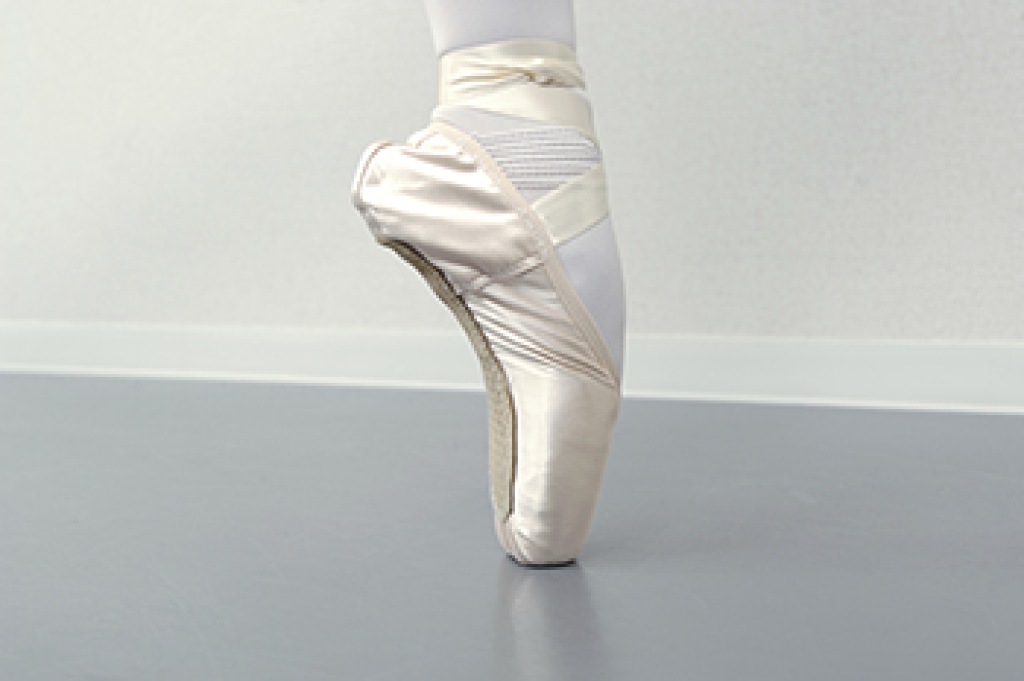
Ballet dancing places unique demands on the feet, requiring controlled movements, pointed positions, and repeated impact. Foot injuries in ballet often occur because dancers put significant pressure on their toes, arches, and ankles during training and performances. The definition of ballet-related foot injuries includes any damage or irritation affecting the bones, joints, or soft tissues of the foot caused by dance activity. Individual foot structure can influence how a dancer responds to these demands.
Common symptoms include soreness, swelling, and pain during or after practice. Dancers may experience problems such as ingrown toenails, tendon inflammation, and stress injuries. The way the toes are positioned during ballet can place pressure on the nails, causing them to grow into the surrounding skin. Toe length also affects how weight is distributed when shaping the foot and performing movements. Some dancers may experience discomfort because their foot shape does not match the demands of specific techniques or footwear.
Risk factors include repetitive training, inadequate rest, and improper shoe fit. The natural structure of the foot, including toe length and heel shape, can influence injury development. A heel that does not fit securely may allow the foot to slide inside the shoe, increasing friction and pressure. Dancers with certain foot shapes may need specialized support to maintain proper alignment. Weak foot muscles, limited flexibility, and sudden increases in training intensity can also contribute to injuries.
Protecting ballet feet involves choosing properly fitted shoes, strengthening the muscles of the feet, and addressing pain early. Dancers should avoid ignoring symptoms, as minor problems can become more serious over time. A podiatrist can evaluate foot structure, identify injury risks, and recommend appropriate treatment options. If you have developed foot injuries from ballet, it is suggested that you seek care from a podiatrist for an accurate diagnosis and appropriate treatment.
If you have any concerns about your feet, contact Dr. Sybil J. Fisher from Texas. Our doctor can provide the care you need to keep you pain-free and on your feet.
Biomechanics in Podiatry
Podiatric biomechanics is a particular sector of specialty podiatry with licensed practitioners who are trained to diagnose and treat conditions affecting the foot, ankle and lower leg. Biomechanics deals with the forces that act against the body, causing an interference with the biological structures. It focuses on the movement of the ankle, the foot and the forces that interact with them.
A History of Biomechanics
Modern technological improvements are based on past theories and therapeutic processes that provide a better understanding of podiatric concepts for biomechanics. Computers can provide accurate information about the forces and patterns of the feet and lower legs.
Understanding biomechanics of the feet can help improve and eliminate pain, stopping further stress to the foot.
If you have any questions please feel free to contact one of our offices located in Houston and Sugar Land, TX . We offer the newest diagnostic and treatment technologies for all your foot and ankle needs.

Plantar fasciitis is an inflammation of the thick band of tissue that runs along the bottom of the foot, called the plantar fascia. It can cause sharp, burning heel pain or pain under the foot that feels like walking on broken glass. Many patients notice the worst discomfort with their first steps in the morning or after sitting for a long time. The pain usually eases after several minutes of movement, but it can return after long hours of standing, running, or other demanding activities. One or both feet can be affected, making daily routines more difficult.
The plantar fascia supports the arch and helps absorb force with every step. Repeated strain can create tiny tears where the tissue attaches to the heel, leading to irritation and inflammation. Risk factors include running, standing for long periods of time, and shoes that lack proper support. Flat feet, high arches, and tight calf muscles also place extra stress on the tissue. Extra body weight and getting older increase the chance of developing this painful condition. People who return to sports after a long break also face higher risk because the tissue must handle sudden stress. Hard running surfaces and jobs that require many hours on the feet can further increase strain on the heel and arch with every step.
A podiatrist diagnoses plantar fasciitis by discussing symptoms, examining the foot, and checking how you walk. Imaging tests are only used when another problem is suspected. Treatment includes custom orthotics, injections, and target exercises. Surgery may be needed for severe cases that do not improve with other care. A podiatrist also identifies factors that cause repeated strain and recommends changes that protect the foot while supporting healing. If you have heel pain or other pain under the foot, it is suggested that you schedule an appointment with a podiatrist who can accurately diagnose and treat plantar fasciitis.
Plantar fasciitis can be very painful and inconvenient. If you are experiencing heel pain or symptoms of plantar fasciitis, contact Dr. Sybil J. Fisher from Texas. Our doctor can provide the care you need to keep you pain-free and on your feet.
What Is Plantar Fasciitis?
Plantar fasciitis is the inflammation of the thick band of tissue that runs along the bottom of your foot, known as the plantar fascia, and causes mild to severe heel pain.
What Causes Plantar Fasciitis?
How Can It Be Treated?
While very treatable, plantar fasciitis is definitely not something that should be ignored. Especially in severe cases, speaking to your doctor right away is highly recommended to avoid complications and severe heel pain. Your podiatrist can work with you to provide the appropriate treatment options tailored to your condition.
If you have any questions, please feel free to contact one of our offices located in Houston and Sugar Land, TX . We offer the newest diagnostic and treatment technologies for all your foot care needs.



Copyright © 2016 S.J. Fisher DPM | Site Map | Design by: Podiatry Content Connection
