Houston    (832) 673-0500
Sugar Land (281) 313-6300

Blog

Hammertoe and the Role of Podiatric Care

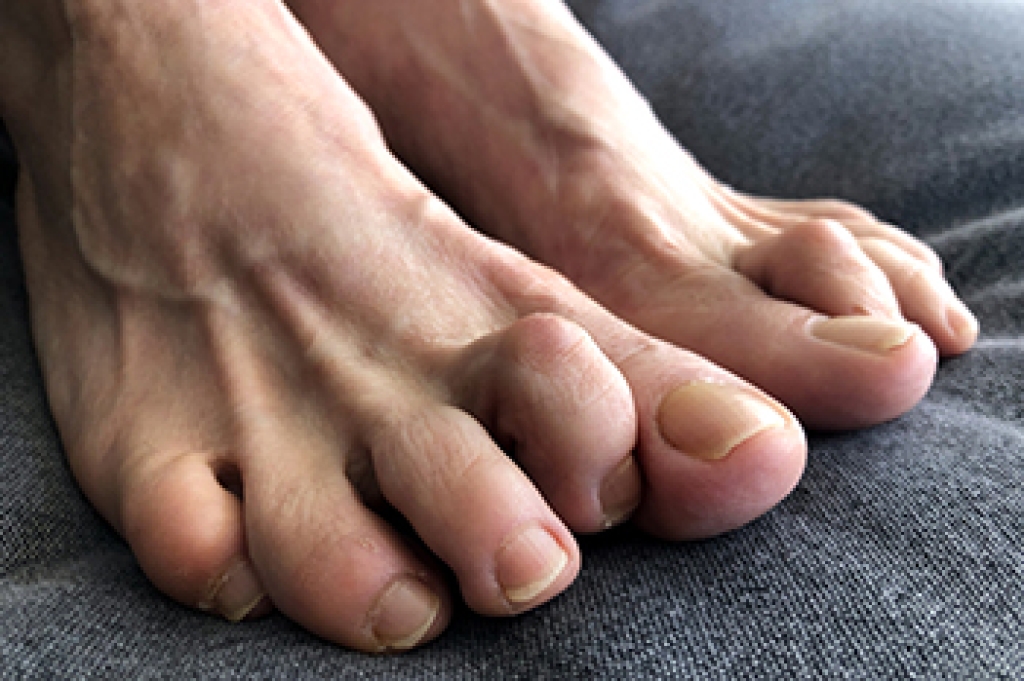
Hammertoe is a deformity that causes one of the smaller toes to bend abnormally at the middle joint, creating a curled or hammer-like appearance. This condition often develops due to a muscle imbalance that places excessive pressure on the toe. Common symptoms include pain, swelling, redness, corns, calluses, and difficulty wearing shoes comfortably. Over time, the joint may become stiff and less flexible. Risk factors include wearing tight or narrow footwear, foot structure abnormalities, arthritis, and previous toe injuries. Early evaluation is important to prevent progression. A podiatrist can provide customized treatment, such as padding and orthotics, as well as offer footwear guidance or corrective procedures as needed. If you have symptoms of a hammertoe, it is suggested that you consult a podiatrist who can offer appropriate treatment solutions.

Hammertoes can be a painful condition to live with. For more information, contact Dr. Sybil J. Fisher of Texas. Our doctor will answer any of your foot- and ankle-related questions.

Hammertoe

Hammertoe is a foot deformity that occurs due to an imbalance in the muscles, tendons, or ligaments that normally hold the toe straight. It can be caused by the type of shoes you wear, your foot structure, trauma, and certain disease processes.

Symptoms

  • Painful and/or difficult toe movement
  • Swelling
  • Joint stiffness
  • Calluses/Corns
  • Physical deformity

Risk Factors

  • Age – The risk of hammertoe increases with age
  • Sex – Women are more likely to have hammertoe compared to men
  • Toe Length – You are more likely to develop hammertoe if your second toe is longer than your big toe
  • Certain Diseases – Arthritis and diabetes may make you more likely to develop hammertoe

Treatment

If you have hammertoe, you should change into a more comfortable shoe that provides enough room for your toes. Exercises such as picking up marbles may strengthen and stretch your toe muscles. Nevertheless, it is important to seek assistance from a podiatrist in order to determine the severity of your hammertoe and see which treatment option will work best for you.

If you have any questions, please feel free to contact one of our offices located in Houston and Sugar Land, TX . We offer the newest diagnostic and treatment technologies for all your foot care needs.

Read more about Hammertoe

Dealing With Persistent Toe Pain

Toe pain around the metatarsophalangeal, or MTP, joint is a frequent reason patients seek podiatric care, as these joints play a major role in balance and push off during walking. Such toe pain may develop from overuse, injury, arthritis, or pressure from footwear. Common symptoms include aching or sharp pain, stiffness, and swelling, sometimes accompanied by redness, warmth, and limited motion. The joint may look enlarged or inflamed, and it can feel sore or burning, especially when standing, walking, or bending the toe. Over time, pain may interfere with daily activities and limit comfortable movement. A podiatrist can help by starting with a detailed medical history and physical examination, supported by imaging when needed, to identify the exact cause of the joint pain. Treatment often begins with footwear guidance, padding, or custom orthotics, and may progress to medications, injections, or corrective procedures when appropriate. If you have MTP joint pain, it is suggested that you make an appointment with a podiatrist.

Toe pain can disrupt your daily activities. If you have any concerns, contact Dr. Sybil J. Fisher of Texas. Our doctor can provide the care you need to keep you pain-free and on your feet.

What Causes Toe Pain?

Most severe toe pain is caused due to a sports injury, trauma from dropping something heavy on the toe, or bumping into something rigid. Other problems can develop over time for various reasons.

Toe pain can be caused by one or more ailments. The most common include:

  • Trauma
  • Sports injury
  • Wearing shoes that are too tight
  • Arthritis
  • Gout
  • Corns and calluses
  • Hammertoe
  • Bunions
  • Blisters
  • Ingrown toenails
  • Sprains
  • Fractures (broken bones)
  • Dislocations

When to See a Podiatrist

  • Severe pain
  • Persistent pain that lasts more than a week
  • Signs of infection
  • Continued swelling
  • Pain that prevents walking

Diagnosis

In many cases the cause of toe pain is obvious, but in others, a podiatrist may want to use more advanced methods to determine the problem. These can range from simple visual inspections and sensation tests to X-rays and MRI scans. Prior medical history, family medical history, and any recent physical traumatic events will all be taken into consideration for a proper diagnosis.

Treatment

Treatments for toe pain and injuries vary and may include shoe inserts, padding, taping, medicines, injections, and in some cases, surgery. If you believe that you have broken a toe, please see a podiatrist as soon as possible.

If you have any questions please contact one of our offices located in Houston and Sugar Land, TX . We offer the newest diagnostic and treatment technologies for all your foot and ankle needs.

Read more about Toe Pain

Achilles Tendon Ruptures and Podiatric Care

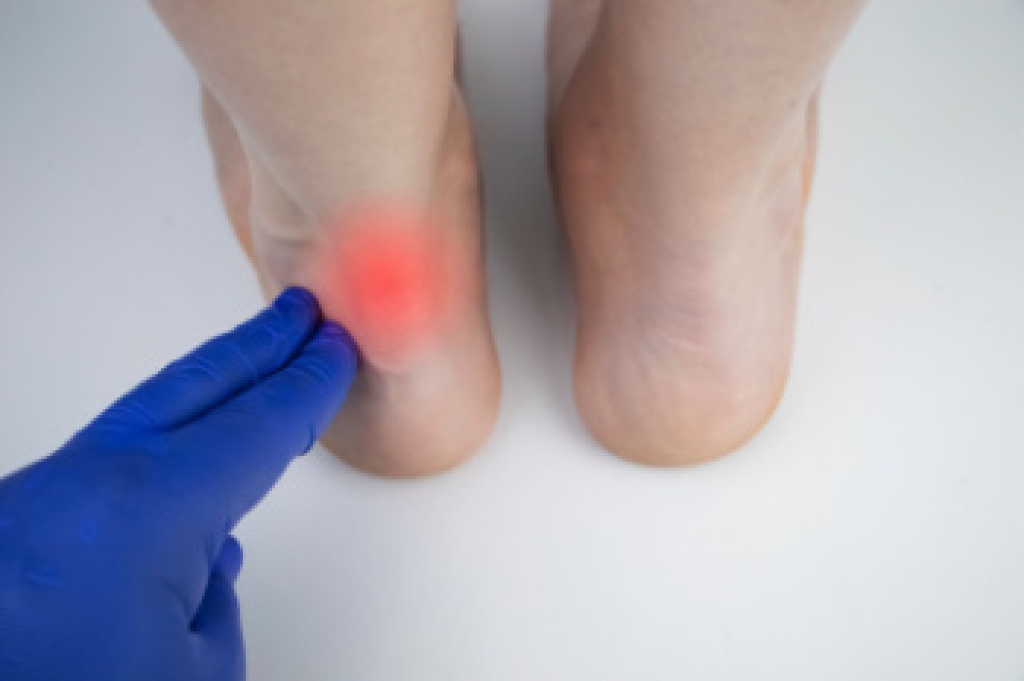
An Achilles tendon rupture is a serious injury involving a partial or complete tear of the tendon that connects the calf muscles to the heel bone. It is commonly caused by sudden increases in activity, forceful push off movements, trauma, or weakened tendons from overuse. Symptoms often include sudden pain in the back of the ankle, swelling, difficulty walking, and the sensation of hearing or feeling a pop at the time of injury. Loss of strength and limited ankle motion may follow. A podiatrist can help by performing a thorough evaluation, confirming the diagnosis, and developing a personalized treatment plan that may include immobilization, or surgical care, when needed. Early treatment is essential for optimal healing. If you experience sudden ankle pain or hear a popping sound, it is suggested that you promptly contact a podiatrist for a personalized treatment plan. 

Achilles tendon injuries need immediate attention to avoid future complications. If you have any concerns, contact Dr. Sybil J. Fisher of Texas. Our doctor can provide the care you need to keep you pain-free and on your feet.

What Is the Achilles Tendon?

The Achilles tendon is a tendon that connects the lower leg muscles and calf to the heel of the foot. It is the strongest tendon in the human body and is essential for making movement possible. Because this tendon is such an integral part of the body, any injuries to it can create immense difficulties and should immediately be presented to a doctor.

What Are the Symptoms of an Achilles Tendon Injury?

There are various types of injuries that can affect the Achilles tendon. The two most common injuries are Achilles tendinitis and ruptures of the tendon.

Achilles Tendinitis Symptoms

  • Inflammation
  • Dull to severe pain
  • Increased blood flow to the tendon
  • Thickening of the tendon

Rupture Symptoms

  • Extreme pain and swelling in the foot
  • Total immobility

Treatment and Prevention

Achilles tendon injuries are diagnosed by a thorough physical evaluation, which can include an MRI. Treatment involves rest, physical therapy, and in some cases, surgery. However, various preventative measures can be taken to avoid these injuries, such as:

  • Thorough stretching of the tendon before and after exercise
  • Strengthening exercises like calf raises, squats, leg curls, leg extensions, leg raises, lunges, and leg presses

If you have any questions please feel free to contact one of our offices located in Houston and Sugar Land, TX . We offer the newest diagnostic tools and technology to treat your foot and ankle needs.

Read more about The Causes, Types, and Treatments of Achilles Tendon Injuries

Symptoms of Morton’s Neuroma

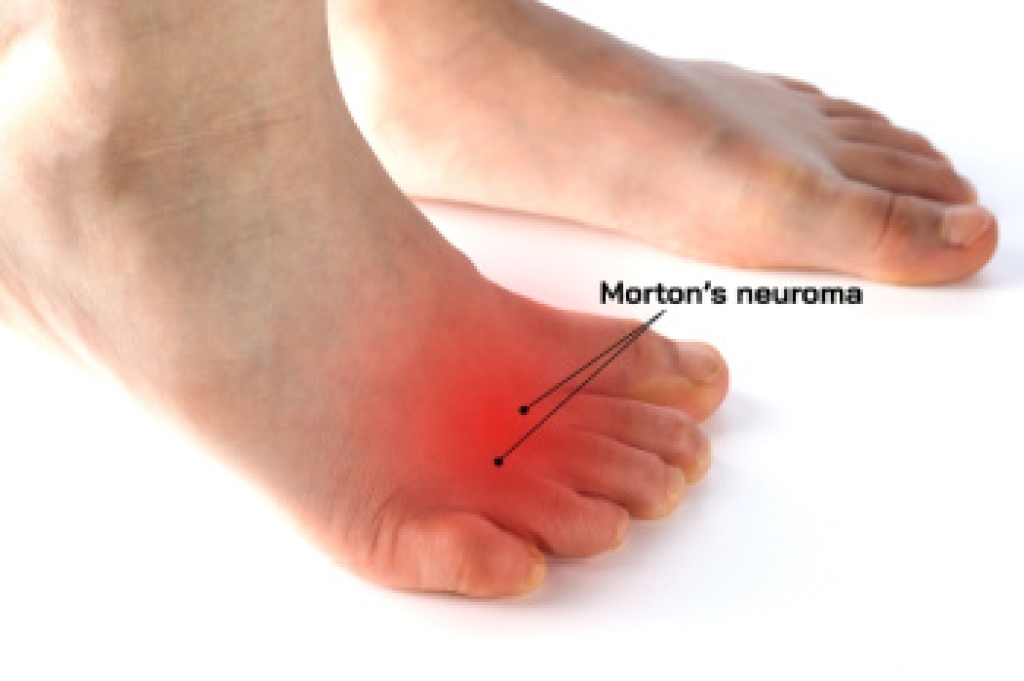
Morton’s neuroma is a condition in which the nerve between the metatarsal bones becomes thickened from repeated compression and irritation. It most often develops between the third and fourth toes and is commonly seen in individuals who wear narrow shoes or participate in high impact activities. Rather than visible swelling, the primary complaint is nerve-related pain. Patients frequently describe electric, shooting discomfort in the ball of the foot, along with tingling or numbness in the toes. Some feel as though their sock is bunched up or that they are stepping on a small object. Symptoms may worsen with prolonged walking and improve when shoes are removed. A podiatrist can identify the affected area through examination and specific pressure testing, and imaging may be used to confirm the diagnosis. Treatment may include footwear changes, custom orthotics, anti-inflammatory care, or injections to calm the nerve. If you suspect you may have Morton’s neuroma, it is suggested that you make an appointment with a podiatrist for proper evaluation and treatment.

Morton’s neuroma is a very uncomfortable condition to live with. If you think you have Morton’s neuroma, contact Dr. Sybil J. Fisher of Texas. Our doctor will attend to all of your foot care needs and answer any of your related questions.  

Morton’s Neuroma

Morton's neuroma is a painful foot condition that commonly affects the areas between the second and third or third and fourth toe, although other areas of the foot are also susceptible. Morton’s neuroma is caused by an inflamed nerve in the foot that is being squeezed and aggravated by surrounding bones.

What Increases the Chances of Having Morton’s Neuroma?

  • Ill-fitting high heels or shoes that add pressure to the toe or foot
  • Jogging, running or any sport that involves constant impact to the foot
  • Flat feet, bunions, and any other foot deformities

Morton’s neuroma is a very treatable condition. Orthotics and shoe inserts can often be used to alleviate the pain on the forefront of the feet. In more severe cases, corticosteroids can also be prescribed. In order to figure out the best treatment for your neuroma, it’s recommended to seek the care of a podiatrist who can diagnose your condition and provide different treatment options.

If you have any questions, please feel free to contact one of our offices located in Houston and Sugar Land, TX . We offer the newest diagnostic and treatment technologies for all your foot care needs.
Read more about Morton's Neuroma

Symptoms and Causes of Heel Spurs

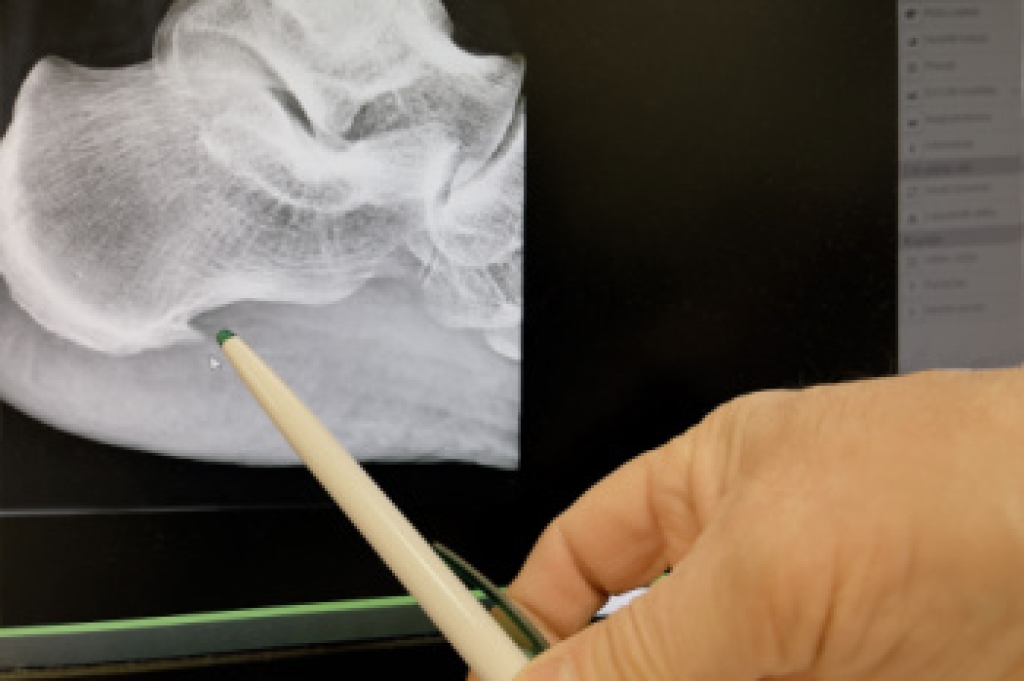
Heel spurs, a common cause of ongoing heel pain, develop when calcium deposits build up on the underside or back of the heel bone. This condition is often linked to repeated stress placed on the foot, especially where muscles and connective tissue attach to the heel. Symptoms include sharp pain when taking the first steps in the morning, aching or tenderness after standing or walking, and discomfort that worsens after activity rather than during it. Heel spurs are frequently associated with strain on the plantar fascia, a band of tissue along the bottom of the foot. Other causes are poor foot mechanics, long periods of standing, excess body weight, or wearing shoes that do not properly support the heel. Athletes and those whose jobs require prolonged time on their feet may be at higher risk. If you are experiencing heel pain, it is suggested that you make an appointment with a podiatrist for an exam, diagnosis, and treatment.

Heel spurs can be incredibly painful and sometimes may make you unable to participate in physical activities. To get medical care for your heel spurs, contact Dr. Sybil J. Fisher from Texas. Our doctor will do everything possible to treat your condition.

Heels Spurs

Heel spurs are formed by calcium deposits on the back of the foot where the heel is. This can also be caused by small fragments of bone breaking off one section of the foot, attaching onto the back of the foot. Heel spurs can also be bone growth on the back of the foot and may grow in the direction of the arch of the foot.

Older individuals usually suffer from heel spurs and pain sometimes intensifies with age. One of the main condition's spurs are related to is plantar fasciitis.

Pain

The pain associated with spurs is often because of weight placed on the feet. When someone is walking, their entire weight is concentrated on the feet. Bone spurs then have the tendency to affect other bones and tissues around the foot. As the pain continues, the feet will become tender and sensitive over time.

Treatments

There are many ways to treat heel spurs. If one is suffering from heel spurs in conjunction with pain, there are several methods for healing. Medication, surgery, and herbal care are some options.

If you have any questions, please feel free to contact one of our offices located in Houston and Sugar Land, TX . We offer the newest diagnostic and treatment technologies for all your foot care needs.
Read more about Heel Spurs


Connect with us

Copyright © 2016 S.J. Fisher DPM | Site Map | Design by: Podiatry Content Connection