Houston    (832) 673-0500
Sugar Land (281) 313-6300

Blog

Symptoms and Causes of Metatarsal Pain

Metatarsal pain, known as metatarsalgia, occurs in the ball of the foot where long bones of the foot absorb body weight during standing and walking. People often notice burning, sharp, or aching discomfort beneath the toes, sometimes accompanied by numbness, tingling, or a feeling of walking on a stone. Symptoms worsen with activity, standing, or tight footwear. Causes of metatarsal pain include repetitive impact from sports, stress fractures, arthritis, and high arches. Toe deformities, such as hammertoes, and pressure shifts created by narrow or high heeled shoes are other factors. A podiatrist can perform a biomechanical examination, evaluate gait patterns, order imaging, and provide care that redistributes pressure and treats the disorder to prevent progression and complications. If you have pain in the ball of the foot, it is suggested that you make an appointment with a podiatrist for an exam, diagnosis, and ongoing treatment.

Foot Pain

Foot pain can be extremely painful and debilitating. If you have a foot pain, consult with Dr. Sybil J. Fisher from Texas. Our doctor will assess your condition and provide you with quality foot and ankle treatment.

Causes

Foot pain is a very broad condition that could be caused by one or more ailments. The most common include:

  • Bunions
  • Hammertoes
  • Plantar Fasciitis
  • Bone Spurs
  • Corns
  • Tarsal Tunnel Syndrome
  • Ingrown Toenails
  • Arthritis (such as Gout, Rheumatoid, and Osteoarthritis)
  • Flat Feet
  • Injury (from stress fractures, broken toe, foot, ankle, Achilles tendon ruptures, and sprains)
  • And more

Diagnosis

To figure out the cause of foot pain, podiatrists utilize several different methods. This can range from simple visual inspections and sensation tests to X-rays and MRI scans. Prior medical history, family medical history, and any recent physical traumatic events will all be taken into consideration for a proper diagnosis.

Treatment

Treatment depends upon the cause of the foot pain. Whether it is resting, staying off the foot, or having surgery; podiatrists have a number of treatment options available for foot pain.

If you have any questions, please feel free to contact one of our offices located in Houston and Sugar Land, TX . We offer the newest diagnostic and treatment technologies for all your foot care needs.

Read more about Foot Pain

How Peripheral Artery Disease Affects Foot and Ankle Skin

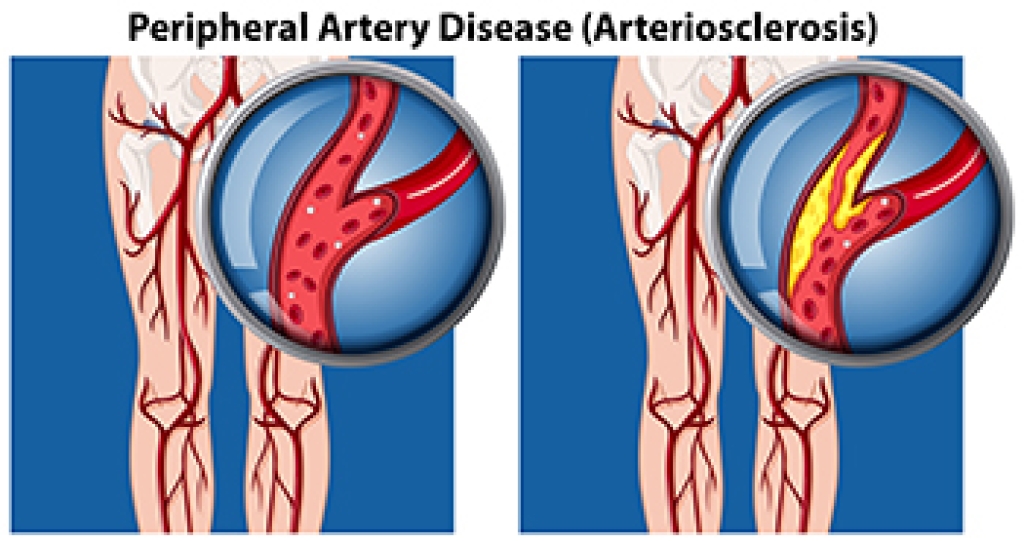
Peripheral artery disease, or PAD, reduces blood flow to the lower limbs, limiting the oxygen and nutrients needed to keep skin healthy. In the feet and ankles, this often leads to dryness, thinning, and increased sensitivity. Skin may appear shiny, pale, or cool to the touch, and hair growth can diminish. Even minor cuts or pressure areas may heal slowly because circulation is impaired. Over time, poor blood supply increases the risk of skin breakdown, ulcers, and infection, especially when combined with reduced sensation. Color changes, cracking, or persistent redness should not be ignored, as they may signal worsening circulation. Wearing proper footwear, daily skin checks, and prompt care of small injuries are essential for protection. If changes in foot or ankle skin are noticed, it is suggested that you see a podiatrist for a proper diagnosis and appropriate treatment.

Peripheral artery disease can pose a serious risk to your health. It can increase the risk of stroke and heart attack. If you have symptoms of peripheral artery disease, consult with Dr. Sybil J. Fisher from Texas. Our doctor will assess your condition and provide you with quality foot and ankle treatment.

Peripheral artery disease (PAD) is when arteries are constricted due to plaque (fatty deposits) build-up. This results in less blood flow to the legs and other extremities. The main cause of PAD is atherosclerosis, in which plaque builds up in the arteries.

Symptoms

Symptoms of PAD include:

  • Claudication (leg pain from walking)
  • Numbness in legs
  • Decrease in growth of leg hair and toenails
  • Paleness of the skin
  • Erectile dysfunction
  • Sores and wounds on legs and feet that won’t heal
  • Coldness in one leg

It is important to note that a majority of individuals never show any symptoms of PAD.

Diagnosis

While PAD occurs in the legs and arteries, Podiatrists can diagnose PAD. Podiatrists utilize a test called an ankle-brachial index (ABI). An ABI test compares blood pressure in your arm to you ankle to see if any abnormality occurs. Ultrasound and imaging devices may also be used.

Treatment

Fortunately, lifestyle changes such as maintaining a healthy diet, exercising, managing cholesterol and blood sugar levels, and quitting smoking, can all treat PAD. Medications that prevent clots from occurring can be prescribed. Finally, in some cases, surgery may be recommended.

If you have any questions, please feel free to contact one of our offices located in Houston and Sugar Land, TX . We offer the newest diagnostic and treatment technologies for all your foot care needs.

Read more about Peripheral Artery Disease

Gout Pain Can Be Managed

Gout is a painful, inflammatory form of arthritis. Those affected will typically feel an intense stiffness in the joints of their feet, particularly in the big toe. Schedule a visit to learn about how gout can be managed and treated.


Connect with us

Copyright © 2016 S.J. Fisher DPM | Site Map | Design by: Podiatry Content Connection