Houston    (832) 673-0500
Sugar Land (281) 313-6300

Blog

Different Types of Foot and Ankle Wounds Explained

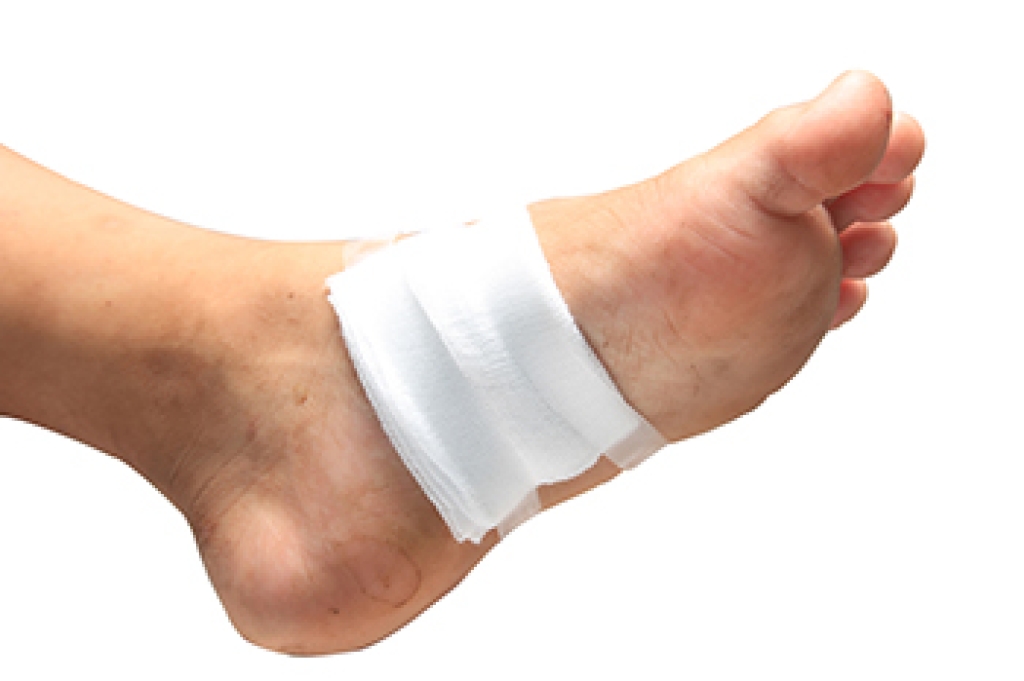
Foot and ankle wounds fall into several common categories based on how they develop. Pressure-related wounds form from constant weight or rubbing and are often found on heels, toes, or areas over bone. Arterial wounds are linked to poor blood flow, and usually appear on the toes or outer foot with dry or pale tissue. Venous wounds occur when blood does not return well to the heart and are more common around the ankles with swelling and skin discoloration. Neuropathic wounds develop when sensation is reduced, allowing injuries to go unnoticed and worsen over time. Additionally, surgical wounds may struggle to close after procedures if swelling, infection, or movement interferes with healing. Traumatic wounds result from cuts, punctures, or falls and vary in depth and severity. Identifying the type helps guide care. If a foot or ankle wound is slow to heal, evaluation by a podiatrist is suggested for accurate diagnosis and treatment.

Wound care is an important part in dealing with diabetes. If you have diabetes and a foot wound or would like more information about wound care for diabetics, consult with Dr. Sybil J. Fisher from Texas. Our doctor will assess your condition and provide you with quality foot and ankle treatment.

What Is Wound Care?

Wound care is the practice of taking proper care of a wound. This can range from the smallest to the largest of wounds. While everyone can benefit from proper wound care, it is much more important for diabetics. Diabetics often suffer from poor blood circulation which causes wounds to heal much slower than they would in a non-diabetic. 

What Is the Importance of Wound Care?

While it may not seem apparent with small ulcers on the foot, for diabetics, any size ulcer can become infected. Diabetics often also suffer from neuropathy, or nerve loss. This means they might not even feel when they have an ulcer on their foot. If the wound becomes severely infected, amputation may be necessary. Therefore, it is of the upmost importance to properly care for any and all foot wounds.

How to Care for Wounds

The best way to care for foot wounds is to prevent them. For diabetics, this means daily inspections of the feet for any signs of abnormalities or ulcers. It is also recommended to see a podiatrist several times a year for a foot inspection. If you do have an ulcer, run the wound under water to clear dirt from the wound; then apply antibiotic ointment to the wound and cover with a bandage. Bandages should be changed daily and keeping pressure off the wound is smart. It is advised to see a podiatrist, who can keep an eye on it.

If you have any questions please contact one of our offices located in Houston and Sugar Land, TX . We offer the newest diagnostic and treatment technologies for all your foot and ankle needs.

Read more about Wound Care

Tarsal Tunnel Syndrome and Foot Nerve Pain

Tarsal tunnel syndrome is a condition caused by compression of the tibial nerve as it travels through a narrow passage on the inside of the ankle. This nerve irritation can lead to symptoms such as tingling, burning, numbness, or sharp pain that may radiate into the foot or toes. Symptoms often worsen with prolonged standing or walking. Common causes include flat feet, ankle injuries, swelling, or masses that place pressure on the nerve. Risk factors may include overuse, diabetes, arthritis, or prolonged standing. A podiatrist can diagnose tarsal tunnel syndrome through a physical examination and imaging, then create a personalized treatment plan. Care may include orthotics, activity modification, or advanced therapies to reduce nerve pressure. If you have persistent burning or numbness in your foot, it is suggested that you schedule an appointment with a podiatrist who can accurately diagnose and treat what may be going on.

Tarsal tunnel syndrome can be very uncomfortable to live with. If you are experiencing tarsal tunnel syndrome, contact Dr. Sybil J. Fisher of Texas. Our doctor can provide the care you need to keep you pain-free and on your feet.

Tarsal Tunnel Syndrome

Tarsal tunnel syndrome, which can also be called tibial nerve dysfunction, is an uncommon condition of misfiring peripheral nerves in the foot. The tibial nerve is the peripheral nerve in the leg responsible for sensation and movement of the foot and calf muscles. In tarsal tunnel syndrome, the tibial nerve is damaged, causing problems with movement and feeling in the foot of the affected leg.

Common Cause of Tarsal Tunnel Syndrome

  • Involves pressure or an injury, direct pressure on the tibial nerve for an extended period of time, sometimes caused by other body structures close by or near the knee.
  • Diseases that damage nerves, including diabetes, may cause tarsal tunnel syndrome.
  • At times, tarsal tunnel syndrome can appear without an obvious cause in some cases.

The Effects of Tarsal Tunnel Syndrome

  • Different sensations, an afflicted person may experience pain, tingling, burning or other unusual sensations in the foot of the affected leg.
  • The foot muscles, toes and ankle become weaker, and curling your toes or flexing your foot can become difficult.
  • If condition worsens, infections and ulcers may develop on the foot that is experiencing the syndrome.

A physical exam of the leg can help identify the presence of tarsal tunnel syndrome. Medical tests, such as a nerve biopsy, are also used to diagnose the condition. Patients may receive physical therapy and prescriptive medication. In extreme cases, some may require surgery.

If you have any questions please contact one of our offices located in Houston and Sugar Land, TX . We offer the newest diagnostic and treatment technologies for all your foot and ankle needs.

Read more about Tarsal Tunnel Syndrome

Early Warning Signs of Arthritis

Arthritis in the feet can begin with subtle changes that affect walking. Early signs of arthritis include joint pain in the toes or ankles, swelling, stiffness, and reduced range of motion when standing or walking. Osteoarthritis in the feet often leads to soreness in weight bearing joints like the big toe joint or midfoot, with stiffness that improves slowly after movement. Rheumatoid arthritis can cause swelling and prolonged morning stiffness in multiple toe joints on both feet at the same time. Psoriatic arthritis may involve painful joints, nail changes, and swelling of an entire toe that appears enlarged. Gout often starts with sudden, severe pain, redness, and swelling in the big toe or ankle. A podiatrist can evaluate symptoms, identify the arthritis type. If you have symptoms of arthritis in the feet, it is suggested that you consult a podiatrist for an exam and treatment.

Arthritis can be a difficult condition to live with. If you are seeking treatment, contact Dr. Sybil J. Fisher from Texas. Our doctor can provide the care you need to keep you pain-free and on your feet.

Arthritic Foot Care  

Arthritis is a term that is commonly used to describe joint pain.  The condition itself can occur to anyone of any age, race, or gender, and there are over 100 types of it.  Nevertheless, arthritis is more commonly found in women compared to men, and it is also more prevalent in those who are overweight. The causes of arthritis vary depending on which type of arthritis you have. Osteoarthritis for example, is often caused by injury, while rheumatoid arthritis is caused by a misdirected immune system.

Symptoms

  • Swelling
  • Pain
  • Stiffness
  • Decreased Range of Motion

Arthritic symptoms range in severity, and they may come and go. Some symptoms stay the same for several years but could potentially get worse with time. Severe cases of arthritis can prevent its sufferers from performing daily activities and make walking difficult.

Risk Factors

  • Occupation – Occupations requiring repetitive knee movements have been linked to osteoarthritis
  • Obesity – Excess weight can contribute to osteoarthritis development
  • Infection – Microbial agents can infect the joints and trigger arthritis
  • Joint Injuries – Damage to joints may lead to osteoarthritis
  • Age – Risk increases with age
  • Gender –Most types are more common in women
  • Genetics – Arthritis can be hereditary

If you suspect your arthritis is affecting your feet, it is crucial that you see a podiatrist immediately. Your doctor will be able to address your specific case and help you decide which treatment method is best for you.

If you have any questions please feel free to contact one of our offices located in Houston and Sugar Land, TX . We offer the newest diagnostic tools and technology to treat your foot and ankle needs.

Read more about How to Care for Your Arthritic Foot

How Foot Issues Can Increase the Risk of Falling

Falls are a leading cause of injury, and problems in the feet often play a quiet but important role. Painful joints, reduced sensation, and muscle weakness can interfere with balance and awareness of the ground. Conditions that affect nerve signaling may make it harder to feel uneven surfaces, while limited motion in the toes or ankles can disrupt a natural walking pattern. Thickened nails, skin buildup, or poorly fitting shoes may also alter stability and increase the risk of tripping. Warning signs often include unsteadiness, frequent stumbling, slower walking speed, or avoiding activity due to fear of losing balance. Addressing these issues early can make a meaningful difference. Treatment may include footwear guidance, custom orthotics, strengthening exercises, nail and skin care, or management of nerve and joint conditions. Improving foot function supports safer movement and confidence. If your balance feels off or falls have occurred, it is suggested that you make an appointment with a podiatrist who can evaluate foot-related risk factors and recommend appropriate care.

Preventing falls among the elderly is very important. If you are older and have fallen or fear that you are prone to falling, consult with Dr. Sybil J. Fisher from Texas. Our doctor will assess your condition and provide you with quality advice and care.

Every 11 seconds, an elderly American is being treated in an emergency room for a fall related injury. Falls are the leading cause of head and hip injuries for those 65 and older. Due to decreases in strength, balance, senses, and lack of awareness, elderly persons are very susceptible to falling. Thankfully, there are a number of things older persons can do to prevent falls.

How to Prevent Falls

Some effective methods that older persons can do to prevent falls include:

  • Enrolling in strength and balance exercise program to increase balance and strength
  • Periodically having your sight and hearing checked
  • Discuss any medications you have with a doctor to see if it increases the risk of falling
  • Clearing the house of falling hazards and installing devices like grab bars and railings
  • Utilizing a walker or cane
  • Wearing shoes that provide good support and cushioning
  • Talking to family members about falling and increasing awareness

Falling can be a traumatic and embarrassing experience for elderly persons; this can make them less willing to leave the house, and less willing to talk to someone about their fears of falling. Doing such things, however, will increase the likelihood of tripping or losing one’s balance. Knowing the causes of falling and how to prevent them is the best way to mitigate the risk of serious injury.  

If you have any questions, please feel free to contact one of our offices located in Houston and Sugar Land, TX . We offer the newest diagnostic and treatment technologies for all your foot care needs.

Read more about Falls Prevention


Connect with us

Copyright © 2016 S.J. Fisher DPM | Site Map | Design by: Podiatry Content Connection