Houston    (832) 673-0500
Sugar Land (281) 313-6300

Blog

Ways Diabetics Can Prevent Foot Ulcers

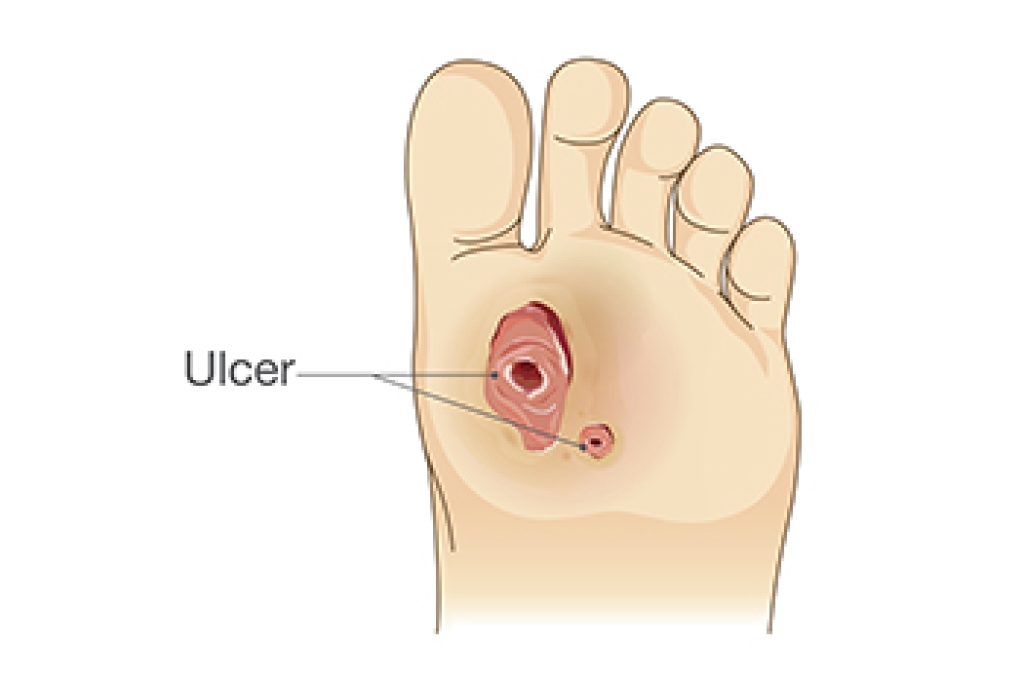
Foot ulcers are generally caused by an underlying disease or condition that makes it difficult to detect sores or cuts on the feet. The most common causes are as the result of diabetes, which can result in neuropathy, or peripheral artery disease, which results from constricted blood vessels. Foot ulcers are basically sores that don’t heal properly, with the end result of damaging the skin to the point where it degrades and could turn into gangrene. There are preventative measures available to ward off the worst effects of foot ulcers. Among them are carrying out daily inspections of the feet, toes, and ankles to detect cuts, sores, or cracks in the skin that can become infected. Washing and thoroughly drying the feet daily is recommended, along with use of an emollient to avoid cracks in the skin. It is thought best to avoid going barefoot and to wear shoes with a wide toe box and well-cushioned sole. Regular visits to a podiatrist who can monitor and correct any foot issues are also suggested. 

Diabetic foot care is important in preventing foot ailments such as ulcers. If you are suffering from diabetes or have any other concerns about your feet, contact Dr. Sybil J. Fisher from Texas. Our doctor can provide the care you need to keep you pain-free and on your feet.

Diabetic Foot Care

Diabetes affects millions of people every year. The condition can damage blood vessels in many parts of the body, especially the feet. Because of this, taking care of your feet is essential if you have diabetes, and having a podiatrist help monitor your foot health is highly recommended.

The Importance of Caring for Your Feet

  • Routinely inspect your feet for bruises or sores.
  • Wear socks that fit your feet comfortably.
  • Wear comfortable shoes that provide adequate support.

Patients with diabetes should have their doctor monitor their blood levels, as blood sugar levels play such a huge role in diabetic care. Monitoring these levels on a regular basis is highly advised.

It is always best to inform your healthcare professional of any concerns you may have regarding your feet, especially for diabetic patients. Early treatment and routine foot examinations are keys to maintaining proper health, especially because severe complications can arise if proper treatment is not applied.

If you have any questions, please feel free to contact one of our offices located in Houston and Sugar Land, TX . We offer the newest diagnostic and treatment technologies for all your foot care needs.
Read more about Diabetic Foot Care

Symptoms of Athlete’s Foot

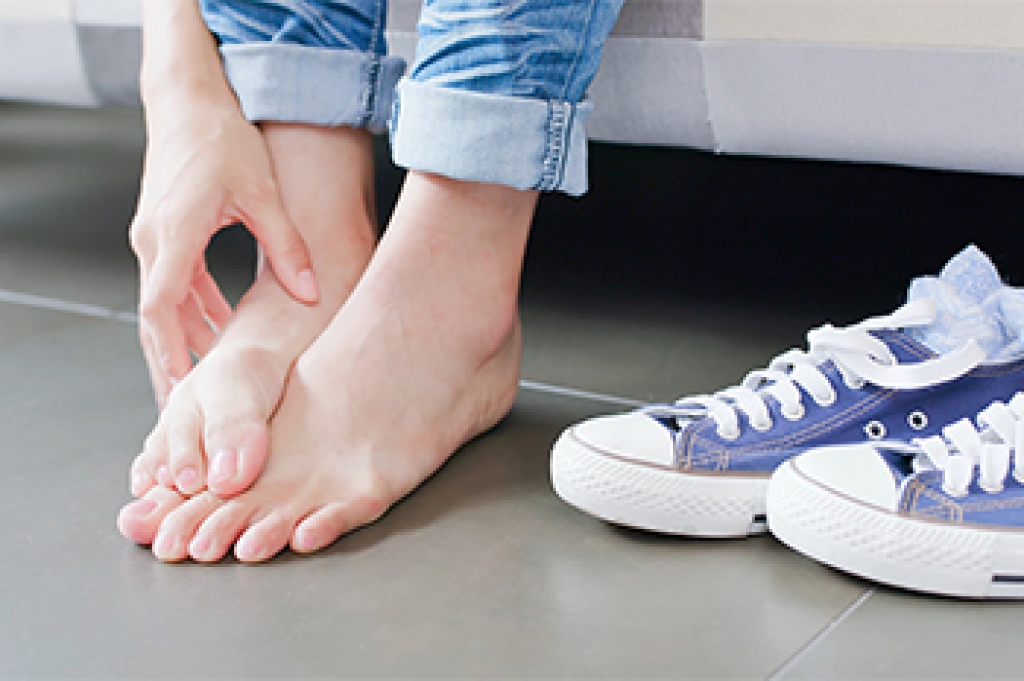
Athlete's foot can be uncomfortable. It is a foot condition that causes the skin on the feet to itch and become red, and in severe cases, may cause small blisters. It is caused by a fungus called trichophyton and is found in warm and moist environments. These include public swimming pools, locker rooms, and shower room floors. Research has shown it is a common foot ailment, and approximately 70 percent of people worldwide will be infected at some point during their lives. The common symptoms that are associated with athletes’ foot consist of flaking skin and burning between the toes. Athlete’s foot is contagious, and many cases may be prevented by wearing appropriate shoes while in these types of areas. Water shoes and flip flops fall into this category, and wearing these types of shoes may help to reduce the chances of getting athlete's foot. If you or someone you know has this infection, please consult with a podiatrist who can offer you prescribed medication that can cure this ailment.

Athlete’s foot is an inconvenient condition that can be easily reduced with the proper treatment. If you have any concerns about your feet and ankles, contact Dr. Sybil J. Fisher from Texas.  Our doctor will treat your foot and ankle needs.

Athlete’s Foot: The Sole Story

Athlete's foot, also known as tinea pedis, can be an extremely contagious foot infection. It is commonly contracted in public changing areas and bathrooms, dormitory style living quarters, around locker rooms and public swimming pools, or anywhere your feet often come into contact with other people.

Solutions to Combat Athlete’s Foot

  • Hydrate your feet by using lotion
  • Exfoliate
  • Buff off nails
  • Use of anti-fungal products
  • Examine your feet and visit your doctor if any suspicious blisters or cuts develop

Athlete’s foot can cause many irritating symptoms such as dry and flaking skin, itching, and redness. Some more severe symptoms can include bleeding and cracked skin, intense itching and burning, and even pain when walking. In the worst cases, Athlete’s foot can cause blistering as well. Speak to your podiatrist for a better understanding of the different causes of Athlete’s foot, as well as help in determining which treatment options are best for you.

If you have any questions please feel free to contact one of our offices located in Houston and Sugar Land, TX . We offer the newest diagnostic and treatment technologies for all your foot and ankle needs.

Read more about Athlete's Foot

Foot Care Is Critical for Seniors

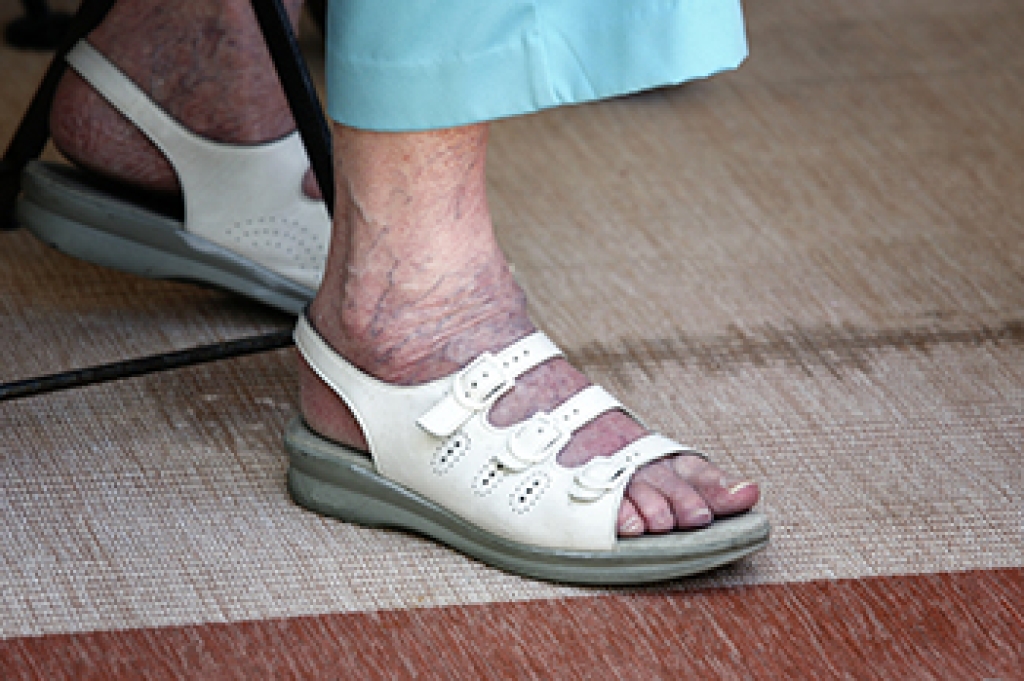
As we age our feet change and things can happen to our feet that affect our overall health and quality of life. Specific foot issues may arise depending on the shoes worn, level of activity, and genetics. With all the wear and tear our feet endure throughout our lifetimes, it’s no wonder there would be stress and strain felt as we age. With aging, our cells hold less water, which in turn can affect collagen, tendons, and ligaments in the feet. Tendons generally get tighter, and ligaments may get looser. With aging, circulation can decline as well as our body’s natural healing ability. Overuse and joint issues are also more common with age. When things in the feet shift, bone spurs can develop, and we can feel pain. To deal with the likely inevitabilities of foot issues, if you are a senior or a caregiver, include a podiatrist in your health care team and schedule regular check-ups.

If you need your feet checked, contact Dr. Sybil J. Fisher of Texas. Our doctor will attend to all of your foot and ankle needs and provide you with quality treatment.

Geriatrics and Podiatry
When people age, some common issues that may occur are bone density loss, dry skin, poor circulation, and rough brittle nails. These issues may also affect your foot health if the necessary steps are not taken to alleviate the problems.

It is important to take care of your feet because feet that are injured or diseased can affect your overall health. Having painful feet hinders your ability to do daily activities or may decrease your willingness to do the things that you need to do.

Visiting Your Geriatrician
As we age, health problems become more likely, so it is essential to visit your doctor for check-ups to ensure that you are doing the best you can to take care of your health. It is recommended to check your feet frequently for any possible cuts, bruises, swelling, corns or any other irregularities. 

Taking Care of Elderly Feet
Cracked or dry feet can be treated by applying moisturizer often. It is also important not to wear old socks because the older the sock is, the higher the possibility there will be that there is bacteria there. Wear fresh socks and make sure they fit properly.

Proper foot health means that you can have a more active lifestyle and you will not be bogged down by pain. Foot health also leads to good circulation, which is paramount for overall health.

If you have any questions, please feel free to contact one of our offices located in Houston and Sugar Land, TX . We offer the newest diagnostic and treatment technologies for all your foot care needs.

Read more about Geriatrics and Podiatry

Why Live with Pain and Numbness in Your Feet?

Suffering from this type of pain? You may have the foot condition known as Morton's neuroma. Morton's neuroma may develop as a result of ill-fitting footwear and existing foot deformities. We can help.

Painful Plantar Warts

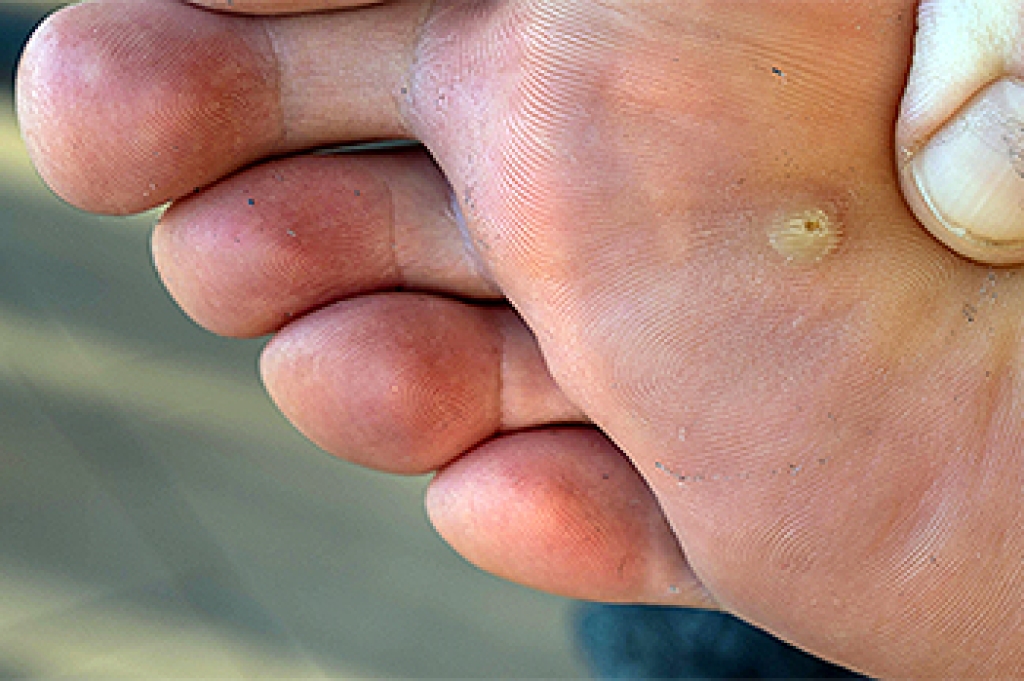
A growth on the heel of the foot is often known as a plantar wart. This type of wart generally causes pain and discomfort. A plantar wart grows inward from the constant pressure the heels endure from walking and standing all day. The walking style, or gait may be affected with an existing plantar wart, as the body tries to compensate for the pain it can cause. It is caused by the human papillomavirus (HPV), which is found in warm and moist environments. These types of places include public swimming pools, locker rooms, and shower room floors. It is advised while in these areas that appropriate shoes are worn, such as flip flops or water shoes. The fungus can enter the body through small cuts in the skin, and these types of shoes may prevent a wart from occurring. Plantar warts can be extremely painful, and if you have developed one or more of these types of growths, please consult with a podiatrist who can properly diagnose it and offer removal options.

Plantar warts can be very uncomfortable. If you need your feet checked, contact Dr. Sybil J. Fisher from Texas. Our doctor will assist you with all of your foot and ankle needs.

About Plantar Warts

Plantar warts are the result of HPV, or human papillomavirus, getting into open wounds on the feet. They are mostly found on the heels or balls of the feet.

While plantar warts are generally harmless, those experiencing excessive pain or those suffering from diabetes or a compromised immune system require immediate medical care. Plantar warts are easily diagnosed, usually through scraping off a bit of rough skin or by getting a biopsy.

Symptoms

  • Lesions on the bottom of your feet, usually rough and grainy
  • Hard or thick callused spots
  • Wart seeds, which are small clotted blood vessels that look like little black spots
  • Pain, discomfort, or tenderness of your feet when walking or standing

Treatment

  • Freezing
  • Electric tool removal
  • Laser Treatment
  • Topical Creams (prescription only)
  • Over-the-counter medications

To help prevent developing plantar warts, avoid walking barefoot over abrasive surfaces that can cause cuts or wounds for HPV to get into. Avoiding direct contact with other warts, as well as not picking or rubbing existing warts, can help prevent the further spread of plantar warts. However, if you think you have developed plantar warts, speak to your podiatrist. He or she can diagnose the warts on your feet and recommend the appropriate treatment options.

If you have any questions, please feel free to contact one of our offices located in Houston and Sugar Land, TX . We offer the newest diagnostic and treatment technologies for all your foot care needs.
Read more about Plantar Warts


Connect with us

Copyright © 2016 S.J. Fisher DPM | Site Map | Design by: Podiatry Content Connection