Houston    (832) 673-0500
Sugar Land (281) 313-6300

Blog

How to Tell if You’ve Broken a Foot Bone

The three main signs of a broken bone, or fracture, are pain, swelling, and deformity around the bone involved. At the time of injury, you may feel or hear a snapping or grinding in the foot. The area will likely be tender, swollen, and bruised. Putting weight or pressure on the injured area will cause pain. You may also be able to see where the bone is broken or displaced, particularly if it is an open fracture, where the bone pokes through the skin. Sometimes the signs of a foot fracture are not obvious. Stress fractures, which are tiny cracks that develop in a bone over time, are very common in the foot bones and often produce only mild symptoms. If you suspect that you have broken a foot bone, please seek the care of a podiatrist.

A broken foot requires immediate medical attention and treatment. If you need your feet checked, contact Dr. Sybil J. Fisher from Texas. Our doctor can provide the care you need to keep you pain-free and on your feet.

Broken Foot Causes, Symptoms, and Treatment

A broken foot is caused by one of the bones in the foot typically breaking when bended, crushed, or stretched beyond its natural capabilities. Usually the location of the fracture indicates how the break occurred, whether it was through an object, fall, or any other type of injury. 

Common Symptoms of Broken Feet:

  • Bruising
  • Pain
  • Redness
  • Swelling
  • Blue in color
  • Numbness
  • Cold
  • Misshapen
  • Cuts
  • Deformities

Those that suspect they have a broken foot shoot seek urgent medical attention where a medical professional could diagnose the severity.

Treatment for broken bones varies depending on the cause, severity and location. Some will require the use of splints, casts or crutches while others could even involve surgery to repair the broken bones. Personal care includes the use of ice and keeping the foot stabilized and elevated.

If you have any questions, please feel free to contact one of our offices located in Houston and Sugar Land, TX . We offer the newest diagnostic and treatment technologies for all your foot care needs.

Read more about Causes, Symptoms, and Treatment for a Broken Foot

Stretches to Help Improve Plantar Fasciitis

When the fibrous tissue on the sole that connects the heel with the front of the foot (plantar fascia) becomes damaged and inflamed, this is known as plantar fasciitis. Plantar fasciitis can also cause tense muscles in other parts of the foot and calf. Sometimes stretches can ease some of this tension and discomfort in these muscles as well as the plantar fascia. Simple calf stretches are a good place to start. To get a good stretch in the affected foot, place it behind you—flat on the ground—with the leg and knee straight. The other leg should be bent in front of you with that foot also lying flat, and your hands placed against a wall in front of you. Hold that position for 10 seconds and then release. You should feel an easy stretch in the calf and heel of the affected foot. Rolling a foam roller or ball back and forth under the affected foot while seated can also provide a good stretch in the foot. For another gentle calf stretch, sit on a chair and either curl a towel on the floor or pick up marbles with your toes. If your plantar fasciitis does not improve or is severe, a podiatrist can offer many solutions to treat it.

Plantar fasciitis can be very painful and inconvenient. If you are experiencing heel pain or symptoms of plantar fasciitis, contact Dr. Sybil J. Fisher  from Texas. Our doctor can provide the care you need to keep you pain-free and on your feet.

What Is Plantar Fasciitis?

Plantar fasciitis is the inflammation of the thick band of tissue that runs along the bottom of your foot, known as the plantar fascia, and causes mild to severe heel pain.

What Causes Plantar Fasciitis?

  • Excessive running
  • Non-supportive shoes
  • Overpronation
  • Repeated stretching and tearing of the plantar fascia

How Can It Be Treated?

  • Conservative measures – anti-inflammatories, ice packs, stretching exercises, physical therapy, orthotic devices
  • Shockwave therapy – sound waves are sent to the affected area to facilitate healing and are usually used for chronic cases of plantar fasciitis
  • Surgery – usually only used as a last resort when all else fails. The plantar fascia can be surgically detached from the heel

While very treatable, plantar fasciitis is definitely not something that should be ignored. Especially in severe cases, speaking to your doctor right away is highly recommended to avoid complications and severe heel pain. Your podiatrist can work with you to provide the appropriate treatment options tailored to your condition.

If you have any questions, please feel free to contact one of our offices located in Houston and Sugar Land, TX . We offer the newest diagnostic and treatment technologies for all your foot care needs.
Read more about Plantar Fasciitis

What Is a High Ankle Sprain?

Although ankle sprains are a common type of sports-related injury, “high” ankle sprains are less likely to occur than common ankle sprains lower in the ankle. A high ankle sprain occurs when ligaments above the ankle joint, which hold the tibia and fibula bones together, become injured. Unlike common ankle sprains where the ankle typically rolls inward, high ankle sprains usually involve a forceful rolling out of the ankle, which may happen during certain contact sports. This can cause the ligaments to become damaged and fail in their duty to keep the tibia and fibula from spreading too far apart. While common ankle sprains usually present pain lower in the ankle, high ankle sprains can cause radiating pain from the front of the ankle upward. There may also be bruising and difficulty in bearing weight. To diagnose a high ankle sprain, a podiatrist will conduct an examination, which may include doing a fibular compression test, where the tibia and fibula are squeezed together at various points on the leg to check for radiating pain. X-rays may also be needed to distinguish a high ankle sprain from a fractured bone or other condition. If you believe you may have suffered a high ankle sprain, make an appointment with a podiatrist right away to receive a proper diagnosis and treatment plan.

Although ankle sprains are common, they aren’t always minor injuries. If you need your ankle injury looked at, contact Dr. Sybil J. Fisher from Texas. Our doctor can provide the care you need to keep you pain-free and on your feet.

How Does an Ankle Sprain Occur?

Ankle sprains are the result of a tear in the ligaments within the ankle. These injuries may happen when you make a rapid shifting movement while your foot is planted. A less common way to sprain your ankle is when your ankle rolls inward while your foot turns outward.

What Are the Symptoms?

  • Pain at the sight of the tear
  • Bruising/Swelling
  • Ankle area is tender to touch
  • In severe cases, may hear/feel something tear
  • Skin discoloration

Preventing a Sprain

  • Wearing appropriate shoes for the occasion
  • Stretching before exercises and sports
  • Knowing your limits

Treatment of a Sprain

In many cases, the RICE method (Rest, Ice, Compression, and Elevate) is used to treat ankle sprains. However, you should see a podiatrist to see which treatment option would work best with your injury. In severe cases, surgery may be required.

It is important to ask your doctor about rehab options after you receive treatment for your injury. Stretching, strength training, and balance exercises may help the ankle heal while also preventing further injury.

If you have any questions, please feel free to contact one of our offices located in Houston and Sugar Land, TX . We offer the newest diagnostic and treatment technologies for all your foot care needs.

Read more about Ankle Sprains

Do I Need to See a Podiatrist for Flat Feet?

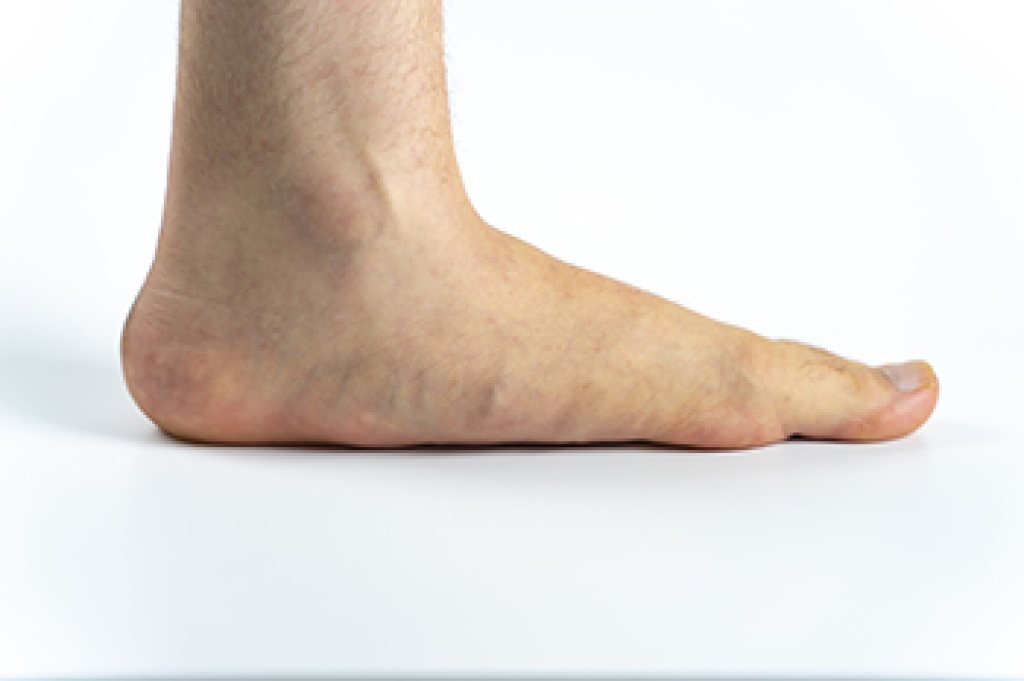
When the feet are pressed flat while standing, this can often be a result of the condition known as flat feet or fallen arches. Usually, flat feet are not serious and do not need treatment. They should not interfere with your daily physical activities either. However, in more serious cases, patients with flat feet should consult with a podiatrist. Common reasons a podiatrist should be consulted include flat feet that are painful, stiff, or weak. Patients who have flat feet and often injure their feet or ankles, have a balance problem, or have only one foot that is affected, should consult with a podiatrist as well. For certain cases of flat feet, surgery may be necessary, but in most cases, a podiatrist will be able to suggest proper footwear and exercises in order to treat this condition.

Flatfoot is a condition many people suffer from. If you have flat feet, contact Dr. Sybil J. Fisher from Texas. Our doctor will treat your foot and ankle needs.

What Are Flat Feet?

Flatfoot is a condition in which the arch of the foot is depressed and the sole of the foot is almost completely in contact with the ground. About 20-30% of the population generally has flat feet because their arches never formed during growth.

Conditions & Problems:

Having flat feet makes it difficult to run or walk because of the stress placed on the ankles.

Alignment – The general alignment of your legs can be disrupted, because the ankles move inward which can cause major discomfort.

Knees – If you have complications with your knees, flat feet can be a contributor to arthritis in that area.  

Symptoms

  • Pain around the heel or arch area
  • Trouble standing on the tip toe
  • Swelling around the inside of the ankle
  • Flat look to one or both feet
  • Having your shoes feel uneven when worn

Treatment

If you are experiencing pain and stress on the foot you may weaken the posterior tibial tendon, which runs around the inside of the ankle. 

If you have any questions, please feel free to contact one of our offices located in Houston and Sugar Land, TX . We offer the newest diagnostic and treatment technologies for all your foot care needs.

Read more about Flatfoot

Do Your Child's Feet Hurt?

Have your child's feet been examined lately? Healthy feet are happy feet. If your child is complaining of foot pain, it may be a sign of underlying problems.


Connect with us

Copyright © 2016 S.J. Fisher DPM | Site Map | Design by: Podiatry Content Connection