Houston    (832) 673-0500
Sugar Land (281) 313-6300

Blog

Jets sign cornerback John Ojo

The New York Jets recently announced that they have signed cornerback John Ojo, a free agent  who previously played for Edmonton in the Canadian Football League. Ojo had spent the past three seasons playing for Edmonton. Due to a torn Achilles tendon, however, Ojo did not play last year. Ojo is 6-foot-3, 205 pounds, and has attracted interest from at least eight NFL teams. He suffered his Achilles tendon tear in June of last year, and is well on his way to full recovery now.

Achilles tendon injuries need immediate attention to avoid future complications. If you have any concerns, contact Dr. Sybil J. Fisher of Texas. Our doctor can provide the care you need to keep you pain-free and on your feet.

What Is the Achilles Tendon?

The Achilles tendon is a tendon that connects the lower leg muscles and calf to the heel of the foot. It is the strongest tendon in the human body and is essential for making movement possible. Because this tendon is such an integral part of the body, any injuries to it can create immense difficulties and should immediately be presented to a doctor.

What Are the Symptoms of an Achilles Tendon Injury?

There are various types of injuries that can affect the Achilles tendon. The two most common injuries are Achilles tendinitis and ruptures of the tendon.

Achilles Tendinitis Symptoms

  • Inflammation
  • Dull to severe pain
  • Increased blood flow to the tendon
  • Thickening of the tendon

Rupture Symptoms

  • Extreme pain and swelling in the foot
  • Total immobility

Treatment and Prevention

Achilles tendon injuries are diagnosed by a thorough physical evaluation, which can include an MRI. Treatment involves rest, physical therapy, and in some cases, surgery. However, various preventative measures can be taken to avoid these injuries, such as:

  • Thorough stretching of the tendon before and after exercise
  • Strengthening exercises like calf raises, squats, leg curls, leg extensions, leg raises, lunges, and leg presses

If you have any questions please feel free to contact one of our offices located in Houston and Sugar Land, TX . We offer the newest diagnostic tools and technology to treat your foot and ankle needs.
Read more about What are Achilles Tendon Injuries

Running Revolves around the Right Pair of Shoes

Whether you are a competitive or a casual runner, wearing the right pair of shoes is a key component of running. Finding the best shoes for your own personal needs revolves primarily around the shape and arch of your foot. Researchers from Runner’s World shared, “Flat feet tend to have fallen arches, making them flexible and prone to over-pronation, an inward rolling motion. Neutral feet are the most biomechanically sound variety, putting them somewhere in the middle. High-arched feet are essentially the polar opposite of flat feet. When the arches are particularly defined, the feet end up being rigid, leading to supination, or landing on the outside edges of the feet."

If you are a runner, wearing the right running shoe is essential. For more information, contact Dr. Sybil J. Fisher from Texas. Our doctor can provide the care you need to keep you pain-free and on your feet.

Choosing the Right Running Shoe for Your Foot Type

To increase performance and avoid the risk of injury, it is important to choose the right running shoe based on your foot type. The general design of running shoes revolves around pronation, which is how the ankle rolls from outside to inside when the foot strikes the ground.

  • Neutral runners are able to choose from a wide variety of shoes, including minimalist shoes or even going barefoot.
  • Runners who overpronate, or experience an over-abundance of ankle rolling, should choose shoes that provide extra motion control and stability.
  • Runners who underpronate, or supinate, have feet that have high arches and lack flexibility, preventing shock absorption. They require shoes with more flexibility and cushion.

If you have any questions, please feel free to contact one of our offices located in Houston and Sugar Land, TX . We offer the newest diagnostic and treatment technologies for all your foot care needs.

Read more about Choosing the Right Running Shoe for Your Foot Type

How to avoid blisters on the feet

Blisters are one of the most common conditions that can affect the feet. Blisters tend to develop due to excessive friction between the skin of the foot and one’s shoes or socks. They are more likely to occur while wearing ill-fitting shoes or while performing certain activities that the body may not be used to doing, such as running. Blisters can be avoided by wearing friction-reducing socks, giving the feet ample time to rest in between hard-hitting sports and activity, and using paper-tape in blister-prone areas.  

Blisters are prone to making everyday activities extremely uncomfortable. If your feet are hurting, contact Dr. Sybil J. Fisher of Texas. Our doctor can provide the care you need to keep you pain-free and on your feet.

Foot Blisters

Foot blisters develop as a result of constantly wearing tight or ill-fitting footwear. This happens due to the constant rubbing from the shoe, which can often lead to pain.

What Are Foot Blisters?

A foot blister is a small fluid-filled pocket that forms on the upper-most layer of the skin. Blisters are filled with clear fluid and can lead to blood drainage or pus if the area becomes infected.

How Do Blisters Form?

Blisters on the feet are often the result of constant friction of skin and material, usually by shoe rubbing. Walking in sandals, boots, or shoes that don’t fit properly for long periods of time can result in a blister. Having consistent foot moisture and humidity can easily lead to blister formation.

Prevention & Treatment

It is important to properly care for the affected area in order to prevent infection and ease the pain. Do not lance the blister and use a Band-Aid to provide pain relief. Also, be sure to keep your feet dry and wear proper fitting shoes. If you see blood or pus in a blister, seek assistance from a podiatrist.

If you have any questions, please feel free to contact one of our offices located in Houston and Sugar Land, TX . We offer the newest diagnostic and treatment technologies for all your foot care needs.

Read more about Blisters on the Feet

Managing bunions

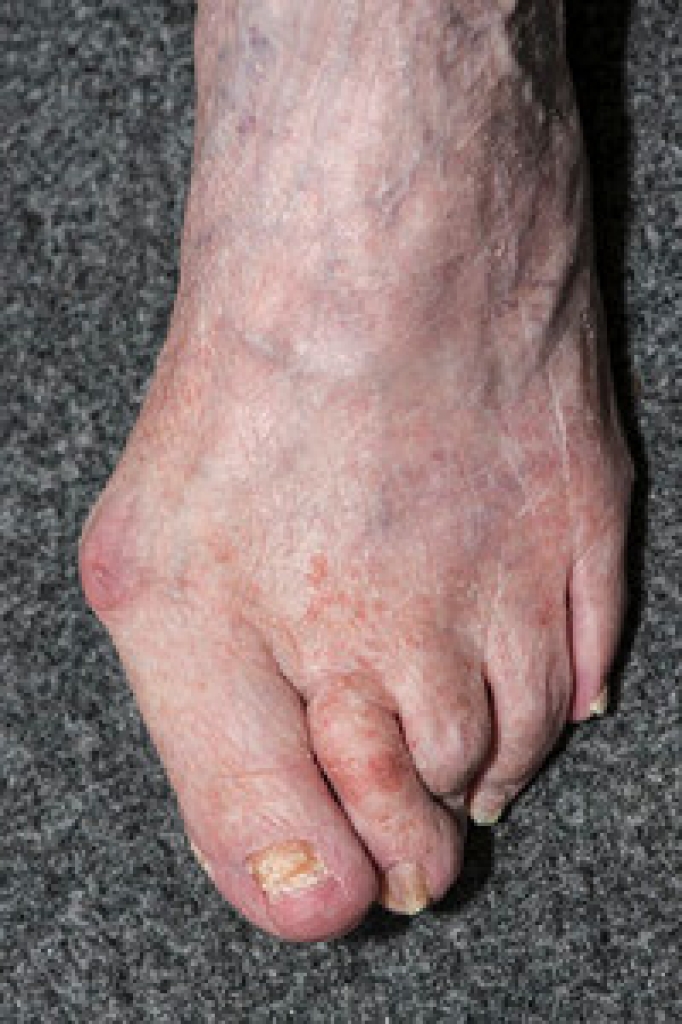
Regardless of the season, bunions and the pain associated with them plague athletes of all fields. Skiers, hockey players, basketball players, and other athletes involved in running sports are all susceptible to developing the condition. A bunion is characterized as a painful swelling of soft tissue and bone enlargement over the inner side of the ball of the big toe joint. With progression, the condition can become arthritic and may be accompanied by pain and the inability to wear shoes and walk comfortably. Treatment for bunions depends on the severity of the condition. In many cases, orthotics and wider fitting shoes can help, whereas more severe cases may call for surgery.

If you are suffering from bunions, contact Dr. Sybil J. Fisher of Texas. Our doctor can provide the care you need to keep you pain-free and on your feet.

What Is a Bunion?

A bunion is formed of swollen tissue or an enlargement of boney growth, usually located at the base joint of the toe that connects to the foot. The swelling occurs due to the bones in the big toe shifting inward, which impacts the other toes of the foot. This causes the area around the base of the big toe to become inflamed and painful.

Why Do Bunions Form?

Genetics – Susceptibility to bunions are often hereditary

Stress on the feet – Poorly fitted and uncomfortable footwear that places stress on feet, such as heels, can worsen existing bunions

How Are Bunions Diagnosed?

Podiatrists often perform two tests – blood tests and x-rays – when trying to diagnose bunions, especially in the early stages of development. Blood tests help determine if the foot pain is being caused by something else, such as arthritis, while x-rays provide a clear picture of your bone structure to your provider.

How Are Bunions Treated?

  • Refrain from wearing heels or similar shoes that cause discomfort
  • Select wider shoes that can provide more comfort and reduce pain
  • Anti-inflammatory and pain management drugs
  • Orthotics or foot inserts
  • Surgery

If you have any questions, please feel free to contact one of our offices located in Houston and Sugar Land, TX . We offer the newest diagnostic and treatment technologies for all your foot care needs.

Read more about Bunions


Connect with us

Copyright © 2016 S.J. Fisher DPM | Site Map | Design by: Podiatry Content Connection