Houston    (832) 673-0500
Sugar Land (281) 313-6300

Blog

Can Blisters Be Prevented?

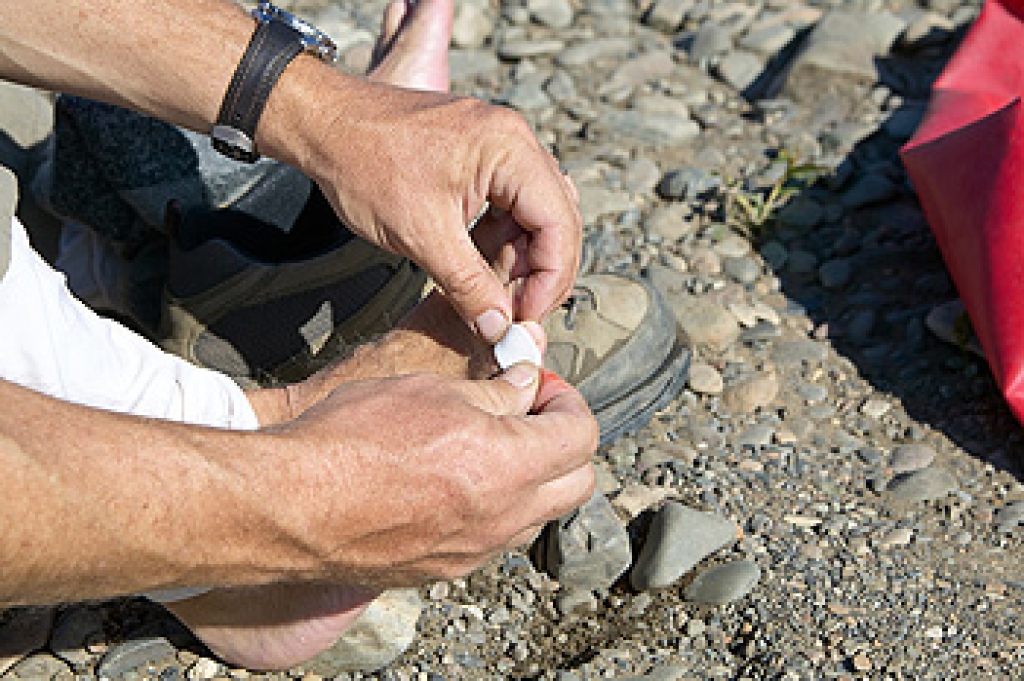
A blister can cause annoyance and discomfort to people who enjoy running. Blisters are defined as a small area of skin that resembles a bubble. It is filled with a fluid that protects the damaged skin as new skin forms underneath it. It is considered to be the body’s natural defense mechanism as the skin heals. A blister generally develops as a result of friction that can come from wearing shoes and socks that do not fit correctly. Blisters can be painful and may become infected, if not treated properly. There are some patients who notice blisters have formed from having an allergic reaction, or from medical conditions like eczema and psoriasis. There are specific things that can be done to protect the blister. These include refraining from bursting or peeling the blister away from the skin and wearing shoes that do not rub against the blister. If you have a blister that won’t heal or becomes infected, please consult with a podiatrist who can offer you methods on how to avoid getting blisters on the feet.

Blisters may appear as a single bubble or in a cluster. They can cause a lot of pain and may be filled with pus, blood, or watery serum. If your feet are hurting, contact Dr. Sybil J. Fisher of Texas. Our doctor can provide the care you need to keep you pain-free and on your feet.

Foot Blisters

Foot blisters are often the result of friction. This happens due to the constant rubbing from shoes, which can lead to pain.

What Are Foot Blisters?

A foot blister is a small fluid-filled pocket that forms on the upper-most layer of the skin. Blisters are filled with clear fluid and can lead to blood drainage or pus if the area becomes infected.

Symptoms

(Blister symptoms may vary depending on what is causing them)

  • Bubble of skin filled with fluid
  • Redness
  • Moderate to severe pain
  • Itching

Prevention & Treatment

In order to prevent blisters, you should be sure to wear comfortable shoes with socks that cushion your feet and absorb sweat. Breaking a blister open may increase your chances of developing an infection. However, if your blister breaks, you should wash the area with soap and water immediately and then apply a bandage to the affected area. If your blisters cause severe pain it is important that you call your podiatrist right away.

If you have any questions, please feel free to contact one of our offices located in Houston and Sugar Land, TX . We offer the newest diagnostic and treatment technologies for all your foot care needs.

Read more about Blisters

What Is Sweaty Sock Syndrome?

Helping your child maintain healthy feet is a critical step in enabling the child to grow into a strong and vibrant adult. One foot condition that can potentially compromise this goal is known as sweaty sock syndrome. This foot condition primarily affects children, particularly boys between the ages of 4 and 8. Sweaty sock syndrome can make an individual exhibit a red, scaly rash on the bottoms, or soles, of the feet. Specifically, the heel and big toe are areas of the sole that can be affected. Interestingly, some children with this condition may say that they feel as though their feet are sweating. However, the rash tends to feel dry. In some cases, the affected area may develop cracks, or fissures, in the skin. If you believe that your child may have this condition, it is best to contact a podiatrist to examine your child’s feet, particularly if they have fissures. Schedule an appointment with a podiatrist today.

Making sure that your children maintain good foot health is very important as they grow. If you have any questions, contact Dr. Sybil J. Fisher of Texas. Our doctor can provide the care you need to keep you pain-free and on your feet.

Keeping Children's Feet Healthy

Having healthy feet during childhood can help prevent medical problems later in life, namely in the back and legs. As children grow, their feet require different types of care. Here are some things to consider...

Although babies do not walk yet, it is still very important to take care of their feet.

Avoid putting tight shoes or socks on his or her feet.

Allow the baby to stretch and kick his or her feet to feel comfortable.

As a toddler, kids are now on the move and begin to develop differently. At this age, toddlers are getting a feel for walking, so don’t be alarmed if your toddler is unsteady or ‘walks funny’. 

As your child gets older, it is important to teach them how to take care of their feet.

Show them proper hygiene to prevent infections such as fungus.

Be watchful for any pain or injury.

Have all injuries checked by a doctor as soon as possible.

Comfortable, protective shoes should always be worn, especially at play.

If you have any questions, please feel free to contact one of our offices located in Houston and Sugar Land, TX . We offer the newest diagnostic and treatment technologies for all your foot care needs.

Read more about How to Care for Your Child's Feet

Various Types of Wounds on the Feet

A diabetic foot ulcer is a common foot wound. Without prompt medical treatment, it can quickly become infected, possibly lead to gangrene, and amputation. There are different types of foot ulcers, and they fall into three categories. There are diabetic foot wounds that are considered to be neuropathic, and the patient generally loses sensation but there is no underlying arterial disease (ischemia). This comprises approximately 35% of foot wounds.  An ischemic wound occurs when the patient retains feeling in the foot but there is an indication of underlying arterial disease. The neuroischemic bracket represents 50% of all foot wounds, and both iscehemia and neuropathy can be present. Effective healing begins with having a healthy environment for the wound to heal, in addition to the patient having little or no health issues. Most wounds begin healing by accessing the cause of the wound, followed by removing any damaged tissue from it. It is beneficial to refrain from putting any weight on the foot, and this may help to accelerate the healing process. Treating a wound on the foot is often done by a podiatrist, and it is suggested that you contact this type of doctor who can effectively provide relief treatments.

Wound care is an important part in dealing with diabetes. If you have diabetes and a foot wound or would like more information about wound care for diabetics, consult with Dr. Sybil J. Fisher from Texas. Our doctor will assess your condition and provide you with quality foot and ankle treatment.

What Is Wound Care?

Wound care is the practice of taking proper care of a wound. This can range from the smallest to the largest of wounds. While everyone can benefit from proper wound care, it is much more important for diabetics. Diabetics often suffer from poor blood circulation which causes wounds to heal much slower than they would in a non-diabetic. 

What Is the Importance of Wound Care?

While it may not seem apparent with small ulcers on the foot, for diabetics, any size ulcer can become infected. Diabetics often also suffer from neuropathy, or nerve loss. This means they might not even feel when they have an ulcer on their foot. If the wound becomes severely infected, amputation may be necessary. Therefore, it is of the upmost importance to properly care for any and all foot wounds.

How to Care for Wounds

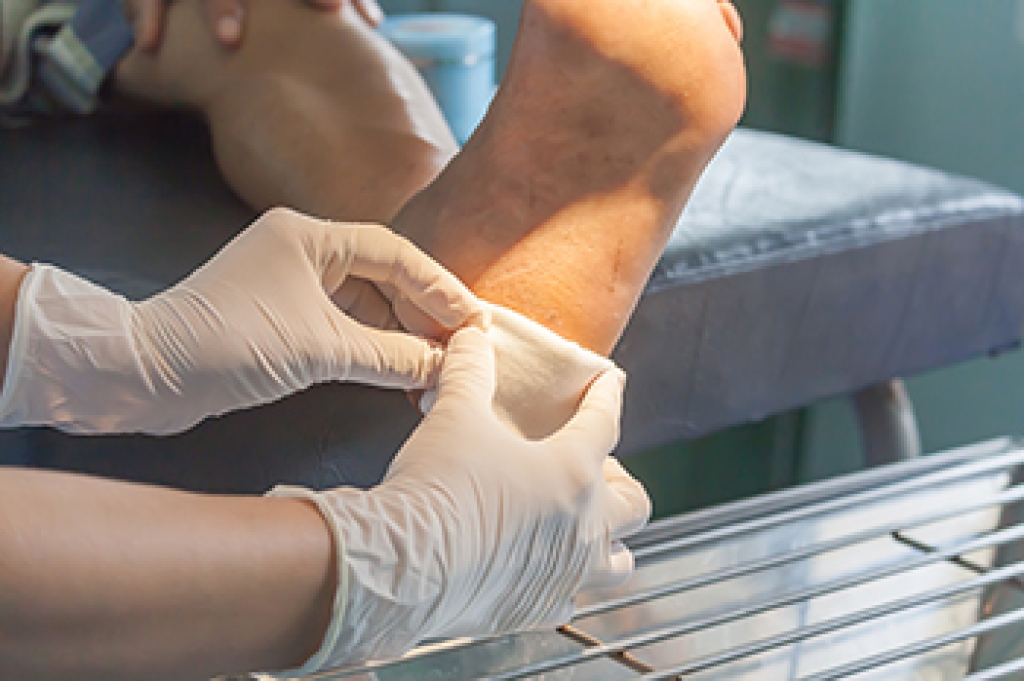
The best way to care for foot wounds is to prevent them. For diabetics, this means daily inspections of the feet for any signs of abnormalities or ulcers. It is also recommended to see a podiatrist several times a year for a foot inspection. If you do have an ulcer, run the wound under water to clear dirt from the wound; then apply antibiotic ointment to the wound and cover with a bandage. Bandages should be changed daily and keeping pressure off the wound is smart. It is advised to see a podiatrist, who can keep an eye on it.

If you have any questions please contact one of our offices located in Houston and Sugar Land, TX . We offer the newest diagnostic and treatment technologies for all your foot and ankle needs.

Read more about Wound Care

Wounds That Don't Heal Need to Be Checked

Your feet are covered most of the day. If you're diabetic, periodic screening is important for good health. Numbness is often a sign of diabetic foot and can mask a sore or wound.

Causes of Numbness in the Toes

Numbness in the toes can be temporary or long term. Chronic toe numbness can impede your ability to walk and increase the chances of wounds and other injuries. When the nerves in your toes are compressed, damaged, or irritated the result is often a feeling of numbness and tingling. Some people experience these symptoms after long bouts of high-impact exercise or other physical activity. In these cases, the numbness generally subsides when the activity is over. Other causes of numbness in the toes can be the result of a serious neurological event, such as a seizure or stroke. More common causes include chronic alcohol abuse, Charcot-Marie-Tooth disease, peripheral artery disease (PAD), or diabetic neuropathy. Nerve compression syndromes, like Morton’s neuroma or tarsal tunnel syndrome, may also cause toe numbness. People with chronic toe numbness would do well to practice good foot hygiene and have frequent foot examinations with a podiatrist who can best detect the underlying cause and offer treatment options. 

Toe pain can disrupt your daily activities. If you have any concerns, contact Dr. Sybil J. Fisher of Texas. Our doctor can provide the care you need to keep you pain-free and on your feet.

What Causes Toe Pain?

Most severe toe pain is caused due to a sports injury, trauma from dropping something heavy on the toe, or bumping into something rigid. Other problems can develop over time for various reasons.

Toe pain can be caused by one or more ailments. The most common include:

  • Trauma
  • Sports injury
  • Wearing shoes that are too tight
  • Arthritis
  • Gout
  • Corns and calluses
  • Hammertoe
  • Bunions
  • Blisters
  • Ingrown toenails
  • Sprains
  • Fractures (broken bones)
  • Dislocations

When to See a Podiatrist

  • Severe pain
  • Persistent pain that lasts more than a week
  • Signs of infection
  • Continued swelling
  • Pain that prevents walking

Diagnosis

In many cases the cause of toe pain is obvious, but in others, a podiatrist may want to use more advanced methods to determine the problem. These can range from simple visual inspections and sensation tests to X-rays and MRI scans. Prior medical history, family medical history, and any recent physical traumatic events will all be taken into consideration for a proper diagnosis.

Treatment

Treatments for toe pain and injuries vary and may include shoe inserts, padding, taping, medicines, injections, and in some cases, surgery. If you believe that you have broken a toe, please see a podiatrist as soon as possible.

If you have any questions please contact one of our offices located in Houston and Sugar Land, TX . We offer the newest diagnostic and treatment technologies for all your foot and ankle needs.

Read more about Toe Pain


Connect with us

Copyright © 2016 S.J. Fisher DPM | Site Map | Design by: Podiatry Content Connection