Houston    (832) 673-0500
Sugar Land (281) 313-6300

Blog

What Can Cause Bunions?

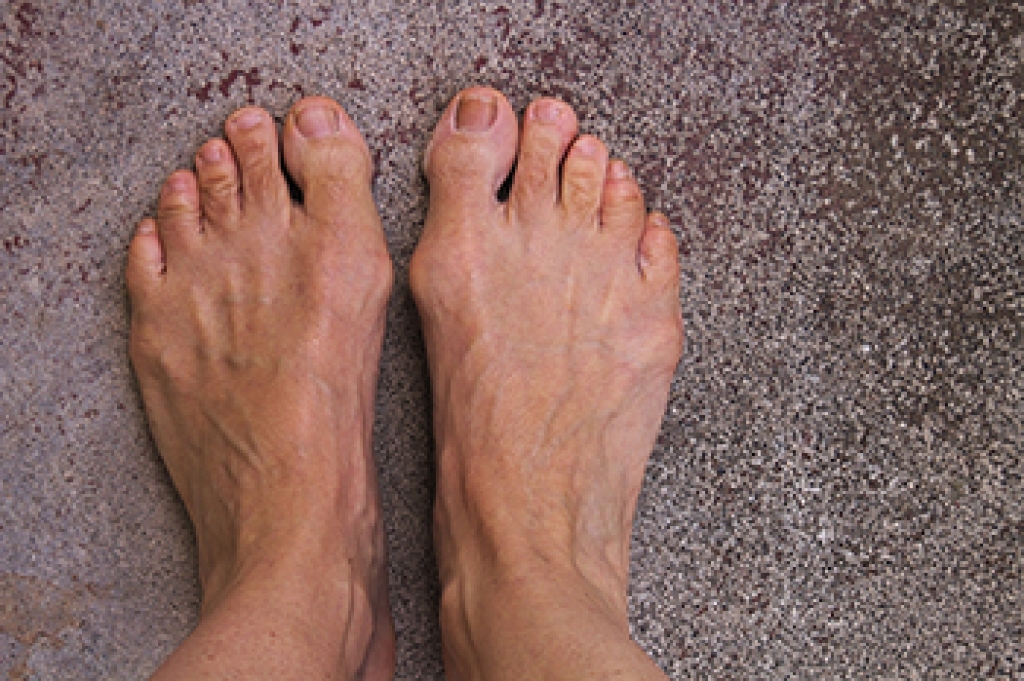
A bunion is a common foot condition that affects millions of people worldwide, and it is considered to be a deformity. Many people can develop a bunion from genetic reasons, or from wearing shoes that do not have enough room for the toes to move freely in. It is noticeable as a bony lump that gradually forms on the side of the big toe, and larger shoes may need to be purchased. If the bunion is large, it may cause the other toes to shift toward each other, which may result in pain and discomfort. Additional symptoms that can accompany a bunion can include calluses forming on the second toe, inflamed skin on the big toe, and the toes may be hard to move. There may be a decreased range of motion in the big toe, and patients may experience chronic pain. Mild relief may be found when the correct size and style shoes are worn, and a protective covering may be put over the bunion which may help to reduce friction. A podiatrist is qualified to diagnose and treat bunions, and it is strongly suggested that you confer with this type of doctor if you have this foot condition.

If you are suffering from bunions, contact Dr. Sybil J. Fisher of Texas. Our doctor can provide the care you need to keep you pain-free and on your feet.

What Is a Bunion?

A bunion is formed of swollen tissue or an enlargement of boney growth, usually located at the base joint of the toe that connects to the foot. The swelling occurs due to the bones in the big toe shifting inward, which impacts the other toes of the foot. This causes the area around the base of the big toe to become inflamed and painful.

Why Do Bunions Form?

Genetics – Susceptibility to bunions are often hereditary

Stress on the feet – Poorly fitted and uncomfortable footwear that places stress on feet, such as heels, can worsen existing bunions

How Are Bunions Diagnosed?

Doctors often perform two tests – blood tests and x-rays – when trying to diagnose bunions, especially in the early stages of development. Blood tests help determine if the foot pain is being caused by something else, such as arthritis, while x-rays provide a clear picture of your bone structure to your doctor.

How Are Bunions Treated?

  • Refrain from wearing heels or similar shoes that cause discomfort
  • Select wider shoes that can provide more comfort and reduce pain
  • Anti-inflammatory and pain management drugs
  • Orthotics or foot inserts
  • Surgery

If you have any questions, please feel free to contact one of our offices located in Houston and Sugar Land, TX . We offer the newest diagnostic and treatment technologies for all your foot care needs.
Read more about What Are Bunions?

Why Do Corns Develop?

A corn is defined as a small, hardened area of skin that can form on different areas of the foot. A common place a corn can be found is on the outside of the pinky toe. Even though corns are small they can cause the gait or walking style to change. Corns may develop as a result of excess friction that is caused by wearing shoes that do not fit correctly. Some people may experience corns between the toes, and these are referred to as soft corns. When a corn forms on the bottom of the foot it is known as a seed corn. Seed corns may form from clogged sweat ducts, and it may be beneficial to wear socks that are made of breathable materials. If you have a corn on your foot, it is strongly suggested that you speak with a podiatrist who can remove it and offer you effective prevention methods.

Corns can make walking very painful and should be treated immediately. If you have questions regarding your feet and ankles, contact Dr. Sybil J. Fisher of Texas. Our doctor will treat your foot and ankle needs.

Corns: What Are They? And How Do You Get Rid of Them?
Corns are thickened areas on the skin that can become painful. They are caused by excessive pressure and friction on the skin. Corns press into the deeper layers of the skin and are usually round in shape.

Ways to Prevent Corns
There are many ways to get rid of painful corns such as:

  • Wearing properly fitting shoes that have been measured by a professional
  • Wearing shoes that are not sharply pointed or have high heels
  • Wearing only shoes that offer support

Treating Corns

Although most corns slowly disappear when the friction or pressure stops, this isn’t always the case. Consult with your podiatrist to determine the best treatment option for your case of corns.

If you have any questions, please feel free to contact one of our offices located in Houston and Sugar Land, TX . We offer the newest diagnostic and treatment technologies for all your foot care needs.

Read more about Corns: What Are They, and How Do You Get Rid of Them

Exercises That May Help Children With Flat Feet

When the arch of the foot is not fully developed, it is known as flat feet. The medical term for this ailment is called pes planus and it affects most babies when they are born. The arch will fully develop in most people in their teenage years and there are specific exercises and stretches that can be performed which may help with existing discomfort. Have your child stand on one foot as this is an effective method of using the small muscles inside of the foot and around the ankles as balance is maintained. A good exercise that can strengthen the toes is done when your child picks up marbles that are on the floor with their feet as this can help build up the arch. Ask your child to walk on a curb. This is an effective way for them to learn how to balance on narrow surfaces and will strengthen the ankle and arch and may help to gradually develop the foot. If you would like additional information about how to live with flat feet and possible ways to strengthen the arch, please confer with a podiatrist.

Flatfoot is a condition many people suffer from. If you have flat feet, contact Dr. Sybil J. Fisher from Texas. Our doctor will treat your foot and ankle needs.

What Are Flat Feet?

Flatfoot is a condition in which the arch of the foot is depressed and the sole of the foot is almost completely in contact with the ground. About 20-30% of the population generally has flat feet because their arches never formed during growth.

Conditions & Problems:

Having flat feet makes it difficult to run or walk because of the stress placed on the ankles.

Alignment – The general alignment of your legs can be disrupted, because the ankles move inward which can cause major discomfort.

Knees – If you have complications with your knees, flat feet can be a contributor to arthritis in that area.  

Symptoms

  • Pain around the heel or arch area
  • Trouble standing on the tip toe
  • Swelling around the inside of the ankle
  • Flat look to one or both feet
  • Having your shoes feel uneven when worn

Treatment

If you are experiencing pain and stress on the foot you may weaken the posterior tibial tendon, which runs around the inside of the ankle. 

If you have any questions, please feel free to contact one of our offices located in Houston and Sugar Land, TX . We offer the newest diagnostic and treatment technologies for all your foot care needs.

Read more about Flat Feet

It's Time for Beautiful Feet

You don't need an excuse to have beautiful nails. Step outside without worrying about the appearance of your feet.

Foot Pain and Golf

Foot pain can interfere with your enjoyment of golf, particularly pain in your big toe, heel, and ball of the foot. Foot pain can result from stiff joints, stretched-out tissues, and nerve damage. Relief is possible and often without surgery. The three most common foot conditions sustained by golfers are neuromas, arthritis, and heel pain. A Morton’s neuroma is a thickened, enlarged nerve in the ball of the foot that is compressed or irritated. This can cause pain when transferring weight from one foot to the other while swinging a golf club. Arthritis in the joint of the big toe also makes it difficult to follow through on a swing. Heel pain from plantar fasciitis, an inflammation of the band of tissue that runs from the heel to the ball of the foot, makes it uncomfortable for a golfer to maintain a solid stance while swinging the golf club. Less common afflictions that can cause pain and interfere with golf include ankle arthritis, Achilles tendonitis, and corns and calluses. If you golf and are suffering from foot pain, consult with a podiatrist who will be able to diagnose the problem and provide appropriate treatment so that you are back to good golf form as quickly as possible.

Sports related foot and ankle injuries require proper treatment before players can go back to their regular routines. For more information, contact Dr. Sybil J. Fisher of Texas. Our doctor can provide the care you need to keep you pain-free and on your feet.

Sports Related Foot and Ankle Injuries

Foot and ankle injuries are a common occurrence when it comes to athletes of any sport. While many athletes dismiss the initial aches and pains, the truth is that ignoring potential foot and ankle injuries can lead to serious problems. As athletes continue to place pressure and strain the area further, a mild injury can turn into something as serious as a rupture and may lead to a permanent disability. There are many factors that contribute to sports related foot and ankle injuries, which include failure to warm up properly, not providing support or wearing bad footwear. Common injuries and conditions athletes face, including:

  • Plantar Fasciitis
  • Achilles Tendinitis
  • Achilles Tendon Rupture
  • Ankle Sprains

Sports related injuries are commonly treated using the RICE method. This includes rest, applying ice to the injured area, compression and elevating the ankle. More serious sprains and injuries may require surgery, which could include arthroscopic and reconstructive surgery. Rehabilitation and therapy may also be required in order to get any recovering athlete to become fully functional again. Any unusual aches and pains an athlete sustains must be evaluated by a licensed, reputable medical professional.

If you have any questions please contact one of our offices located in Houston and Sugar Land, TX . We offer the newest diagnostic and treatment technologies for all your foot and ankle needs.

Read more about Sports Related Foot And Ankle Injuries


Connect with us

Copyright © 2016 S.J. Fisher DPM | Site Map | Design by: Podiatry Content Connection