

Plantar warts are small growths that develop on parts of the feet that bear weight. They're typically found on the bottom of the foot. Don't live with plantar warts, and call us today!

Houston (832) 673-0500
Sugar Land (281) 313-6300


Plantar warts are small growths that develop on parts of the feet that bear weight. They're typically found on the bottom of the foot. Don't live with plantar warts, and call us today!
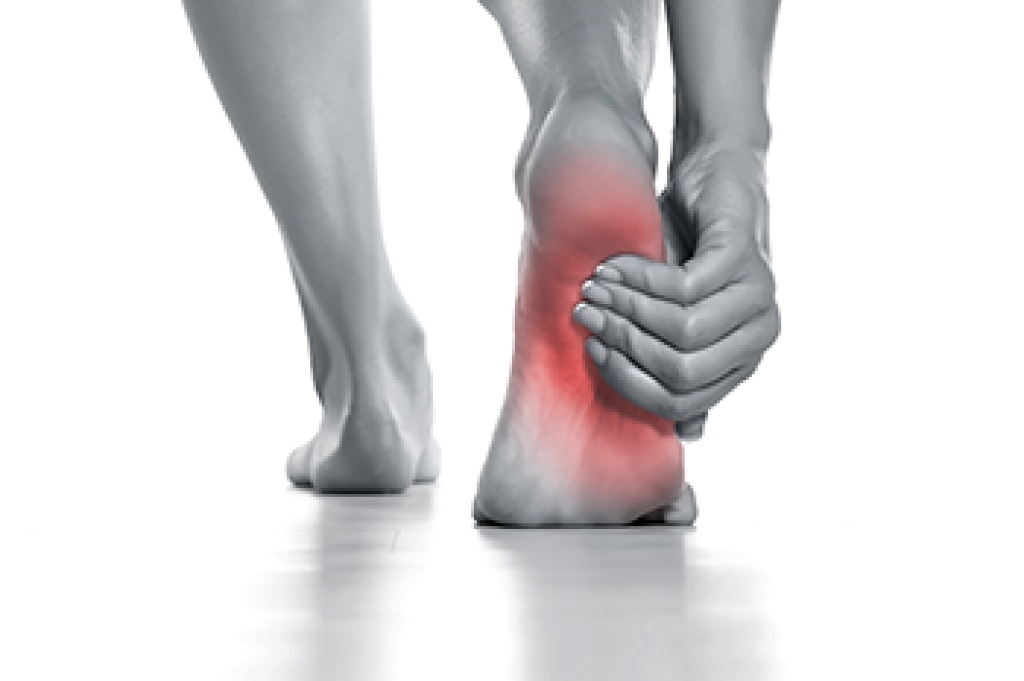
Arch pain can make walking and standing uncomfortable and interfere with daily activities. Arch pain often develops from muscle or ligament strain, overuse, and flat feet. Other causes include arthritis, weight changes, or shoes that do not provide enough support. Pain in the arch can also result from poor foot alignment, which places extra stress on the soft tissues. A podiatrist begins by examining the foot, reviewing symptoms, and ordering imaging to find the cause. Custom orthotics, which are shoe inserts made to support the arch and improve foot alignment, may be prescribed. Bracing or a walking boot may be used to reduce strain and aid healing. Supportive shoes with strong soles can also help reduce pressure on the arch. In cases of severe structural foot problems, surgery may be required. If you have pain in the arch of your foot, it is suggested that you schedule an appointment with a podiatrist for expert advice and guidance.
Foot Pain
Foot pain can be extremely painful and debilitating. If you have a foot pain, consult with Dr. Sybil J. Fisher from Texas. Our doctor will assess your condition and provide you with quality foot and ankle treatment.
Causes
Foot pain is a very broad condition that could be caused by one or more ailments. The most common include:
Diagnosis
To figure out the cause of foot pain, podiatrists utilize several different methods. This can range from simple visual inspections and sensation tests to X-rays and MRI scans. Prior medical history, family medical history, and any recent physical traumatic events will all be taken into consideration for a proper diagnosis.
Treatment
Treatment depends upon the cause of the foot pain. Whether it is resting, staying off the foot, or having surgery; podiatrists have a number of treatment options available for foot pain.
If you have any questions, please feel free to contact one of our offices located in Houston and Sugar Land, TX . We offer the newest diagnostic and treatment technologies for all your foot care needs.
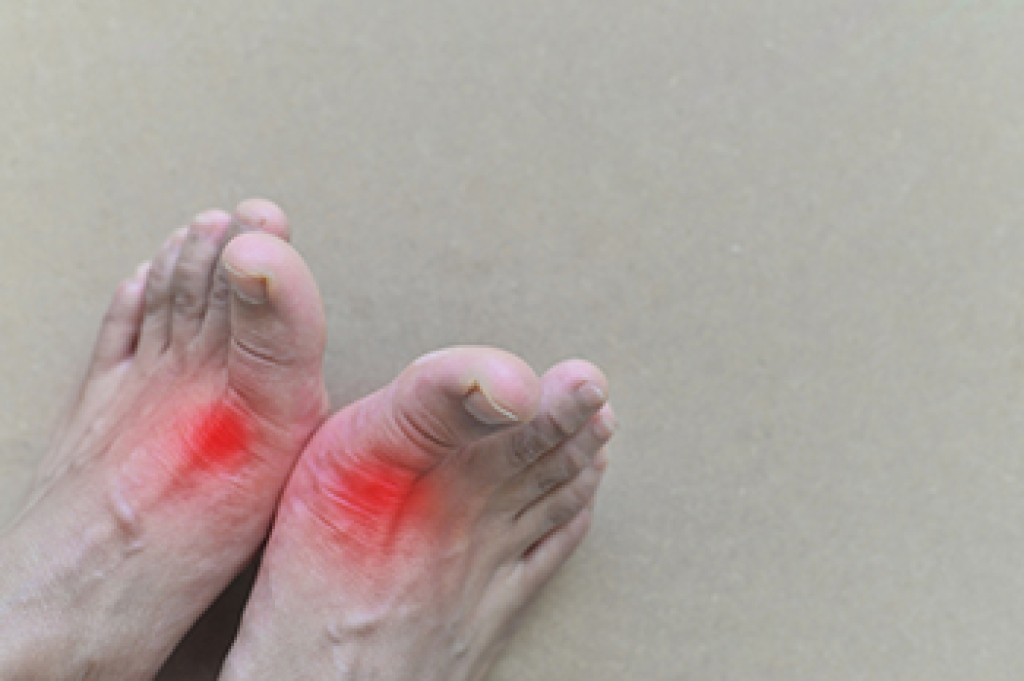
Gout is a form of inflammatory arthritis that often affects the foot, especially the big toe joint. It develops when uric acid builds up in the bloodstream and forms sharp crystals within the joint. This can lead to sudden and intense pain that may begin overnight, along with redness, warmth, and noticeable swelling. The joint may appear inflamed and feel extremely tender, making even light pressure from a bedsheet uncomfortable. Episodes can come and go, but without proper care, they may become more frequent or involve other joints. Common triggers include dehydration, certain foods, and alcohol use. Underlying medical conditions that affect how the body processes uric acid are other factors. A podiatrist can conduct tests for gout to help confirm the diagnosis. They also help coordinate care that may include medication to reduce inflammation and manage uric acid levels. Guidance on foot support and lifestyle adjustments may be provided. If you have gout, it is suggested that you make an appointment with a podiatrist.
Gout is a painful condition that can be treated. If you are seeking treatment, contact Dr. Sybil J. Fisher from Texas. Our doctor will treat your foot and ankle needs.
What Is Gout?
Gout is a form of arthritis that is characterized by sudden, severe attacks of pain, redness, and tenderness in the joints. The condition usually affects the joint at the base of the big toe. A gout attack can occur at any random time, such as the middle of the night while you are asleep.
Symptoms
Risk Factors
Prior to visiting your podiatrist to receive treatment for gout, there are a few things you should do beforehand. If you have gout you should write down your symptoms--including when they started and how often you experience them, important medical information you may have, and any questions you may have. Writing down these three things will help your podiatrist in assessing your specific situation so that he or she may provide the best route of treatment for you.
If you have any questions, please feel free to contact one of our offices located in Houston and Sugar Land, TX . We offer the newest diagnostic and treatment technologies for all your foot care needs.

Diabetic foot ulcers can be frustrating because they often linger, even with careful treatment. High blood sugar slows healing by damaging blood vessels and reducing oxygen flow to the skin. Nerve damage can also play a role, since patients may not feel pressure or injury, allowing wounds to worsen unnoticed. Infection is another common factor that keeps ulcers from closing. Poor circulation in the lower legs and feet further limits the body’s ability to repair tissue. Inconsistent offloading, such as walking on the wound, can delay progress as well. Effective care usually requires a combination of wound cleaning, pressure relief, blood sugar control, and sometimes advanced therapies. Regular monitoring is important to catch changes early. If a foot ulcer is not improving or keeps returning, it is strongly suggested that you see a podiatrist for a proper diagnosis and timely treatment.
Wound care is an important part in dealing with diabetes. If you have diabetes and a foot wound or would like more information about wound care for diabetics, consult with Dr. Sybil J. Fisher from Texas. Our doctor will assess your condition and provide you with quality foot and ankle treatment.
What Is Wound Care?
Wound care is the practice of taking proper care of a wound. This can range from the smallest to the largest of wounds. While everyone can benefit from proper wound care, it is much more important for diabetics. Diabetics often suffer from poor blood circulation which causes wounds to heal much slower than they would in a non-diabetic.
What Is the Importance of Wound Care?
While it may not seem apparent with small ulcers on the foot, for diabetics, any size ulcer can become infected. Diabetics often also suffer from neuropathy, or nerve loss. This means they might not even feel when they have an ulcer on their foot. If the wound becomes severely infected, amputation may be necessary. Therefore, it is of the upmost importance to properly care for any and all foot wounds.
How to Care for Wounds
The best way to care for foot wounds is to prevent them. For diabetics, this means daily inspections of the feet for any signs of abnormalities or ulcers. It is also recommended to see a podiatrist several times a year for a foot inspection. If you do have an ulcer, run the wound under water to clear dirt from the wound; then apply antibiotic ointment to the wound and cover with a bandage. Bandages should be changed daily and keeping pressure off the wound is smart. It is advised to see a podiatrist, who can keep an eye on it.
If you have any questions please contact one of our offices located in Houston and Sugar Land, TX . We offer the newest diagnostic and treatment technologies for all your foot and ankle needs.

Stretching the toes plays an important role in maintaining healthy feet. The toes contain joints, muscles, and tendons that help support balance and movement while walking or standing. When they become stiff, the toes may not move normally, which can lead to discomfort or reduced flexibility. Regular toe stretching helps improve mobility, allowing the toes to move through their full range of motion. It can also improve blood flow, which supports healthy tissue and may reduce swelling. Flexible toes also help the foot absorb pressure more evenly when walking, which may lower the risk of strain or injury. Stretching can also support proper alignment of the toes and forefoot, an area that includes the bones just behind the toes. A podiatrist can examine the toes and feet to identify stiffness, imbalance, or developing conditions like bunions or hammertoes. If you are experiencing toe pain, it is suggested that you make an appointment with a podiatrist for an exam, diagnosis, and treatment.
Exercising your feet regularly with the proper foot wear is a great way to prevent injuries and build strength. If you have any concerns about your feet, contact Dr. Sybil J. Fisher from Texas. Our doctor can provide the care you need to keep you pain-free and on your feet.
Exercise for Your Feet
Exercise for your feet can help you gain strength, mobility and flexibility in your feet. They say that strengthening your feet can be just as rewarding as strengthening another part of the body. Your feet are very important, and we often forget about them in our daily tasks. But it is because of our feet that are we able to get going and do what we need to. For those of us fortunate enough to not have any foot problems, it is an important gesture to take care of them to ensure good health in the long run.
Some foot health exercises can include ankle pumps, tip-toeing, toe rises, lifting off the floor doing reps and sets, and flexing the toes. It is best to speak with Our doctor to determine an appropriate regimen for your needs. Everyone’s needs and bodies are different, and the activities required to maintain strength in the feet vary from individual to individual.
Once you get into a routine of doing regular exercise, you may notice a difference in your feet and how strong they may become.
If you have any questions, please feel free to contact one of our offices located in Houston and Sugar Land, TX . We offer the newest diagnostic and treatment technologies for all your foot care needs.



Copyright © 2016 S.J. Fisher DPM | Site Map | Design by: Podiatry Content Connection
