Houston    (832) 673-0500
Sugar Land (281) 313-6300

Blog

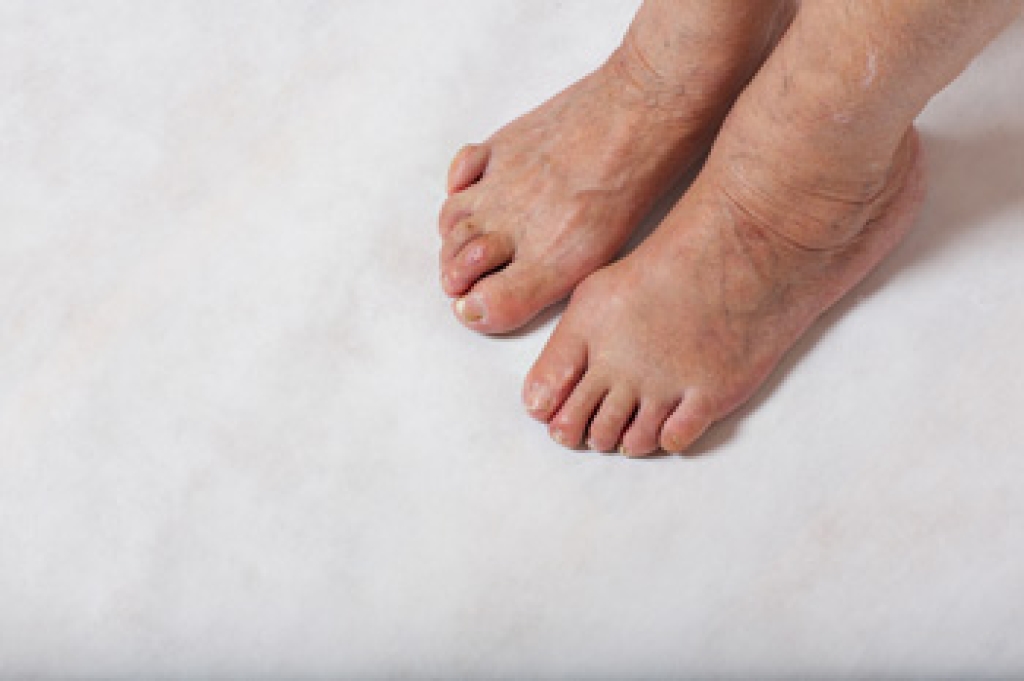
When to Seek Treatment for Hammertoe

Hammertoe is a foot deformity that causes one or more toes to bend abnormally at the middle joint, creating a curled or hammer-like appearance. The condition most often affects the second, third, or fourth toes and can develop gradually. In the early stages, the affected toe may still be flexible, but it can become more rigid as the condition progresses. Hammertoe may cause discomfort while walking, standing, or wearing shoes. Many people also develop corns, calluses, or areas of irritation where the bent toe rubs against footwear. Because hammertoe can worsen over time, early evaluation is important for maintaining foot health and mobility.

Several factors may contribute to the development of hammertoe. Muscle imbalances within the foot can cause the toe to remain in a bent position, while certain foot structures may increase the likelihood of the condition. Previous injuries and underlying joint conditions can also play a role. As the toe becomes more contracted, pressure on the affected joint often increases. This added stress can lead to pain, swelling, and difficulty fitting comfortably into shoes. In some cases, hammertoe may affect balance and walking patterns, placing additional strain on other areas of the foot. Identifying the cause of the condition is an important step in determining the most effective treatment approach.

A podiatrist can evaluate the severity of hammertoe and assess how the condition is affecting overall foot function. Through a comprehensive examination, a podiatrist can identify contributing factors and recommend appropriate treatment options. Professional care focuses on improving comfort, reducing pressure on the affected toe, and helping maintain proper foot mechanics. Early intervention may help prevent the condition from becoming more severe and reduce the risk of complications. Maintaining healthy foot alignment is important for long-term mobility and comfort. If you have developed hammertoe, it is suggested that you consult a podiatrist for an evaluation and appropriate treatment options.

Hammertoe

Hammertoes can be a painful condition to live with. For more information, contact Dr. Sybil J. Fisher from Texas. Our doctor will answer any of your foot- and ankle-related questions.

Hammertoe is a foot deformity that affects the joints of the second, third, fourth, or fifth toes of your feet. It is a painful foot condition in which these toes curl and arch up, which can often lead to pain when wearing footwear.

Symptoms

  • Pain in the affected toes
  • Development of corns or calluses due to friction
  • Inflammation
  • Redness
  • Contracture of the toes

Causes

Genetics – People who are genetically predisposed to hammertoe are often more susceptible

Arthritis – Because arthritis affects the joints in your toes, further deformities stemming from arthritis can occur

Trauma – Direct trauma to the toes could potentially lead to hammertoe

Ill-fitting shoes – Undue pressure on the front of the toes from ill-fitting shoes can potentially lead to the development of hammertoe

Treatment

Orthotics – Custom made inserts can be used to help relieve pressure placed on the toes and therefore relieve some of the pain associated with it

Medications – Oral medications such as anti-inflammatories or NSAIDs could be used to treat the pain and inflammation hammertoes causes. Injections of corticosteroids are also sometimes used

Surgery – In more severe cases where the hammertoes have become more rigid, foot surgery is a potential option

If you have any questions, please feel free to contact one of our offices located in Houston and Sugar Land, TX . We offer the newest diagnostic and treatment technologies for all your foot care needs.

Read more about What Are Hammertoes?

Sever’s Disease and Heel Pain in Active Children

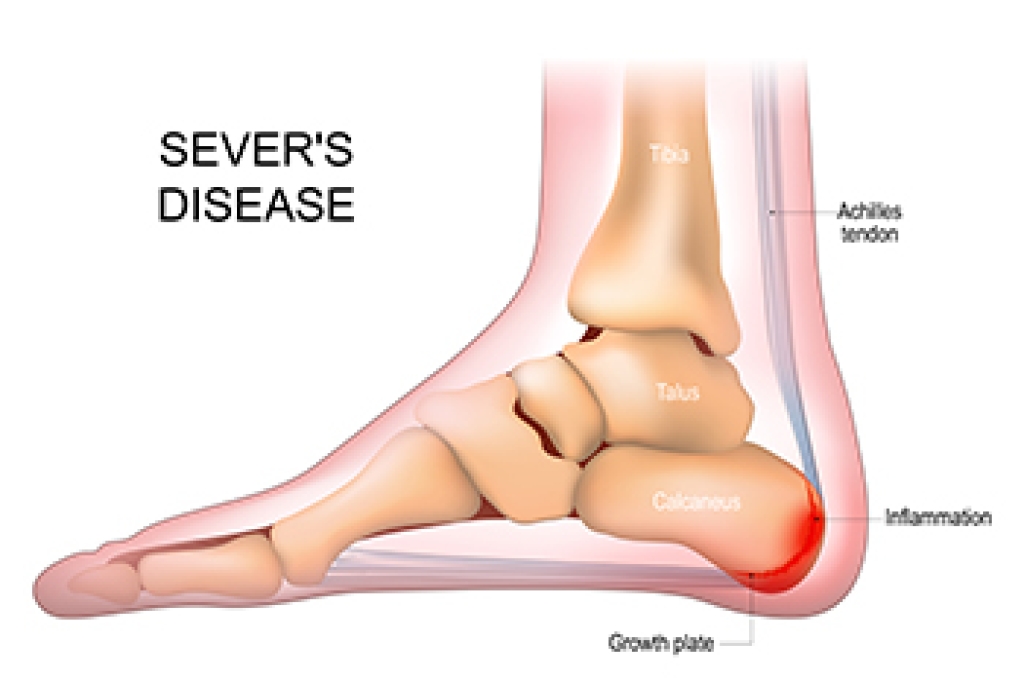
Sever's disease is a common cause of heel pain in growing children and adolescents, especially those who are active in sports. It occurs when the growth plate in the heel becomes irritated due to repeated stress and tension on the Achilles tendon. This condition often develops during growth spurts when bones grow faster than muscles and tendons can adapt. Symptoms include heel pain, tenderness, and limping during or after activity. It can affect children who participate in running or jumping activities and those with tight calf muscles. A podiatrist can evaluate the condition, recommend stretching, supportive footwear, and activity modifications to reduce strain. If your active child has persistent heel pain, it is suggested that you consult a podiatrist who can accurately diagnose and treat Sever’s disease.

Sever's disease often occurs in children and teens. If your child is experiencing foot or ankle pain, see Dr. Sybil J. Fisher from Texas. Our doctor can treat your child’s foot and ankle needs.

Sever’s Disease

Sever’s disease is also known as calcaneal apophysitis, which is a medical condition that causes heel pain I none or both feet. The disease is known to affect children between the ages of 8 and 14.

Sever’s disease occurs when part of the child’s heel known as the growth plate (calcaneal epiphysis) is attached to the Achilles tendon. This area can suffer injury when the muscles and tendons of the growing foot do not keep pace with bone growth. Therefore, the constant pain which one experiences at the back of the heel will make the child unable to put any weight on the heel. The child is then forced to walk on their toes.

Symptoms

Acute pain – Pain associated with Sever’s disease is usually felt in the heel when the child engages in physical activity such as walking, jumping and or running.

Highly active – Children who are very active are among the most susceptible in experiencing Sever’s disease, because of the stress and tension placed on their feet.

If you have any questions, please feel free to contact one of our offices located in Houston and Sugar Land, TX . We offer the newest diagnostic and treatment technologies for all your foot care needs.

Read more about Sever's Disease

Toenail Injuries That Plague Runners

Runners frequently develop toenail injuries from repeated pressure inside their shoes. Long-distance running, steep hills, and shoes that are too tight can cause the toenails to strike the front of the shoe again and again. This repeated stress can lead to black toenails, bruising under the nail, and painful swelling around the nail. Some runners also lose a toenail after a race. Cracked nails and torn skin near the nail can develop after trail running on uneven ground. These injuries can make running painful and increase the risk of infection. A podiatrist can examine the nail, relieve pressure under the nail, and treat damaged skin or infection. Custom orthotics and proper shoe recommendations can also help reduce repeated trauma to the toes while running. Early treatment can help protect the nail and prevent long-term nail changes. If you have developed toenail problems as a result of running, it is suggested that you make an appointment with a podiatrist for treatment.

All runners should take extra precaution when trying to avoid injury. If you have any concerns about your feet, contact Dr. Sybil J. Fisher of Texas. Our doctor will treat your foot and ankle needs.

How to Prevent Running Injuries

There are a lot of mistakes a runner can make prior to a workout that can induce injury. A lot of athletes tend to overstretch before running, instead of saving those workouts for a post-run routine. Deep lunges and hand-to-toe hamstring pulls should be performed after a workout instead of during a warmup. Another common mistake is jumping into an intense routine before your body is physically prepared for it. You should try to ease your way into long-distance running instead of forcing yourself to rush into it.

More Tips for Preventing Injury

  • Incorporate Strength Training into Workouts - This will help improve the body’s overall athleticism
  • Improve and Maintain Your Flexibility – Stretching everyday will help improve overall performance
  • “Warm Up” Before Running and “Cool Down” Afterward – A warm up of 5-10 minutes helps get rid of lactic acid in the muscles and prevents delayed muscle soreness
  • Cross-Training is Crucial
  • Wear Proper Running Shoes
  • Have a Formal Gait Analysis – Poor biomechanics can easily cause injury

If you have any questions, please feel free to contact one of our offices located in Houston and Sugar Land, TX . We offer the newest diagnostic and treatment technologies for all your foot care needs.
Read more about How to Prevent Running Injuries

Why Your Feet Hurt While Skateboarding

Foot pain while skateboarding can develop from several common issues that affect comfort and performance. Wearing the wrong size shoes can create pressure and lead to problems like plantar fasciitis, which causes pain along the bottom of the foot. Flat feet may also contribute by reducing natural support and increasing strain during movement. Poor pushing technique can place uneven stress on the feet, while wheels that are too hard may increase impact and vibration. A podiatrist can evaluate foot structure, recommend proper shoes, and provide guidance to improve technique and reduce discomfort. If you enjoy skateboarding and have developed foot pain, it is suggested that you consult a podiatrist who can offer effective relief and treatment.

Sports related foot and ankle injuries require proper treatment before players can go back to their regular routines. For more information, contact Dr. Sybil J. Fisher of Texas. Our doctor can provide the care you need to keep you pain-free and on your feet.

Sports Related Foot and Ankle Injuries

Foot and ankle injuries are a common occurrence when it comes to athletes of any sport. While many athletes dismiss the initial aches and pains, the truth is that ignoring potential foot and ankle injuries can lead to serious problems. As athletes continue to place pressure and strain the area further, a mild injury can turn into something as serious as a rupture and may lead to a permanent disability. There are many factors that contribute to sports related foot and ankle injuries, which include failure to warm up properly, not providing support or wearing bad footwear. Common injuries and conditions athletes face, including:

  • Plantar Fasciitis
  • Achilles Tendinitis
  • Achilles Tendon Rupture
  • Ankle Sprains

Sports related injuries are commonly treated using the RICE method. This includes rest, applying ice to the injured area, compression and elevating the ankle. More serious sprains and injuries may require surgery, which could include arthroscopic and reconstructive surgery. Rehabilitation and therapy may also be required in order to get any recovering athlete to become fully functional again. Any unusual aches and pains an athlete sustains must be evaluated by a licensed, reputable medical professional.

If you have any questions please contact one of our offices located in Houston and Sugar Land, TX . We offer the newest diagnostic and treatment technologies for all your foot and ankle needs.

Read more about Sports Related Foot And Ankle Injuries

Dealing With Swollen Feet

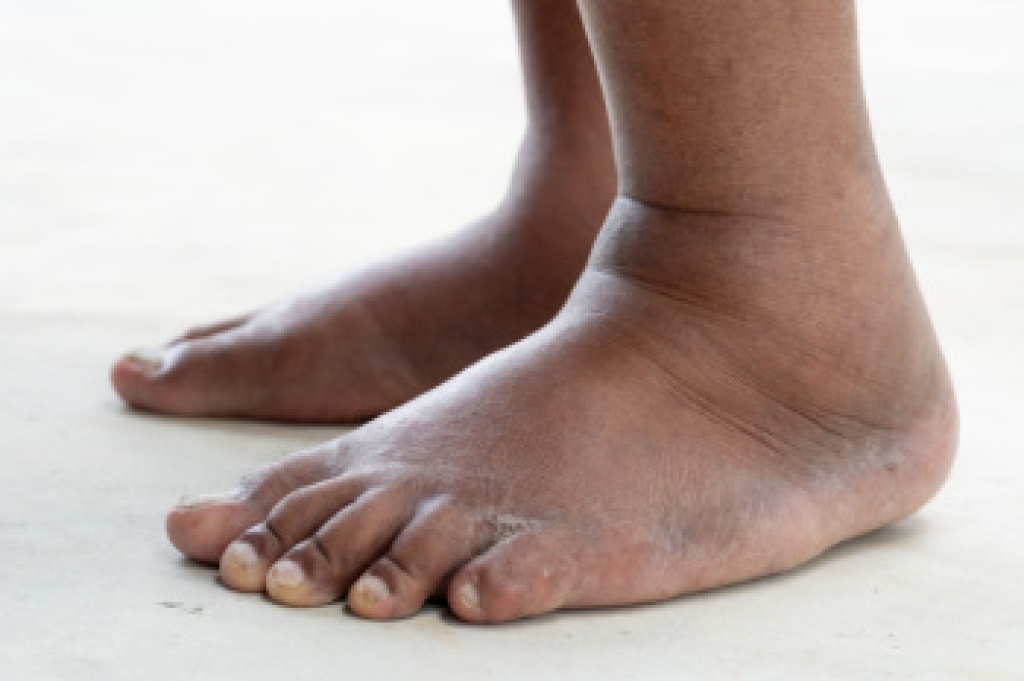
Swelling of the feet, also known as edema, occurs when fluid builds up in the tissues, causing the feet to appear puffy or enlarged. The skin may look stretched or shiny, and pressing on the area can sometimes leave an indentation. Patients often describe a heavy or tight feeling, and shoes may suddenly feel too snug. Swelling often develops after long periods of standing or sitting. However, it may also be linked to circulation issues, injury, pregnancy, or underlying medical conditions. A podiatrist can evaluate the pattern and severity of swelling through a physical exam and may coordinate care if a broader medical cause is suspected. Treatment focuses on improving circulation and reducing fluid buildup with supportive footwear, compression, and targeted exercises. Early attention can help prevent discomfort and complications. If you notice swelling of the feet, it is suggested that you make an appointment with a podiatrist.

Swollen feet can be a sign of an underlying condition. If you have any concerns, contact Dr. Sybil J. Fisher of Texas. Our doctor can provide the care you need to keep you pain-free and on your feet.

Swollen feet are a common ailment among pregnant women and people who stand or sit for extended periods. Aging may increase the possibility of swollen feet and patients who are obese often notice when their feet are swelling too. There may be medical reasons why swollen feet occur:

  • Phlebitis - A condition that causes the veins to become inflamed and can also cause leg pain.
  • Liver disease - This may lead to low blood levels of albumin which is a protein. This can cause fluid in the blood to pass into the tissues and several areas of the body can become swollen.
  • Heart failure - When the heart doesn’t pump properly the blood that is normally pumped back to the heart can pool in the veins of the legs causing swollen feet.
  • Kidney disease - One of the main functions of the kidneys is releasing excess fluid in the body. This type of condition can make it difficult for the kidneys to function properly, and as a result the feet may become swollen.
  • Deep-vein thrombosis (DVT)- This is a serious condition where blood clots form in the veins of the legs. They can block the return of blood from the legs to the heart which may cause the feet to swell. It is important to be treated by a podiatrist if this condition is present.

Swollen feet can also be caused by bone and tendon conditions, including fractures, arthritis, and tendinitis. Additionally, there may be skin and toenail conditions and an infection may cause the feet to swell. Patients who take medicine to treat high blood pressure may be prone to getting swollen feet. 

Many patients elevate their feet to help relieve the swelling and this is generally a temporary remedy. When a podiatrist is consulted the reason behind the swelling can be uncovered and subsequently treated.

If you have any questions please contact one of our offices located in Houston and Sugar Land, TX . We offer the newest diagnostic and treatment technologies for all your foot and ankle needs.

Read more about Swelling of the Feet


Connect with us

Copyright © 2016 S.J. Fisher DPM | Site Map | Design by: Podiatry Content Connection