

Do you suffer from heel pain when you get up in the morning? If so, you should seek professional help and have a proper diagnosis performed. Heel pain can be caused by several different foot-related conditions.

Houston (832) 673-0500
Sugar Land (281) 313-6300


Do you suffer from heel pain when you get up in the morning? If so, you should seek professional help and have a proper diagnosis performed. Heel pain can be caused by several different foot-related conditions.

Pregnancy brings many changes to the body, including those that can affect the feet and ankles. As a baby grows, added body weight and shifting posture place greater pressure on the feet with every step. Hormonal changes also cause ligaments to become more flexible, which may alter foot structure and the way the feet support the body. Because of these changes, some women notice that their feet become wider or their arches become lower during pregnancy. Others experience increased foot fatigue or discomfort after standing and walking. These symptoms can make everyday activities more challenging and may continue throughout pregnancy. A professional foot evaluation can help identify pregnancy-related changes early and support healthier foot function during this important time.
Pregnancy-related foot problems vary from person to person. Many women experience swelling, heel pain, or aching in the arches because of increased pressure on the feet. Others notice ankle discomfort or cramping that affects mobility. As the body adjusts to changing balance and weight distribution, walking may feel less comfortable than usual. Some women also develop changes in the way they walk, placing additional stress on the feet and ankles. Persistent pain or significant swelling should not be ignored because these symptoms may indicate problems that require professional evaluation. Addressing foot concerns early may improve comfort and help maintain normal movement throughout pregnancy.
A podiatrist specializes in diagnosing and treating foot conditions that develop during pregnancy. During an examination, the podiatrist evaluates foot structure, walking mechanics, and any symptoms affecting comfort or mobility. Treatment is tailored to each patient's needs and focuses on reducing pain, improving foot function, and supporting healthy movement throughout pregnancy. Regular podiatry care may also help monitor changes in the feet as the pregnancy progresses and identify concerns before they become more serious. If you are experiencing foot pain, swelling, or changes in your feet during pregnancy, it is suggested that you consult a podiatrist for an evaluation and appropriate treatment options.
Pregnant women with swollen feet can be treated with a variety of different methods that are readily available. For more information about other cures for swollen feet during pregnancy, consult with Dr. Sybil J. Fisher from Texas. Our doctor will attend to all of your foot and ankle needs.
What Foot Problems Can Arise During Pregnancy?
One problem that can occur is overpronation, which occurs when the arch of the foot flattens and tends to roll inward. This can cause pain and discomfort in your heels while you’re walking or even just standing up, trying to support your baby.
Another problem is edema, or swelling in the extremities. This often affects the feet during pregnancy but tends to occur in the later stages.
How Can I Keep My Feet Healthy During Pregnancy?
If you have any questions, please feel free to contact one of our offices located in Houston and Sugar Land, TX . We offer the newest diagnostic and treatment technologies for all your foot care needs.
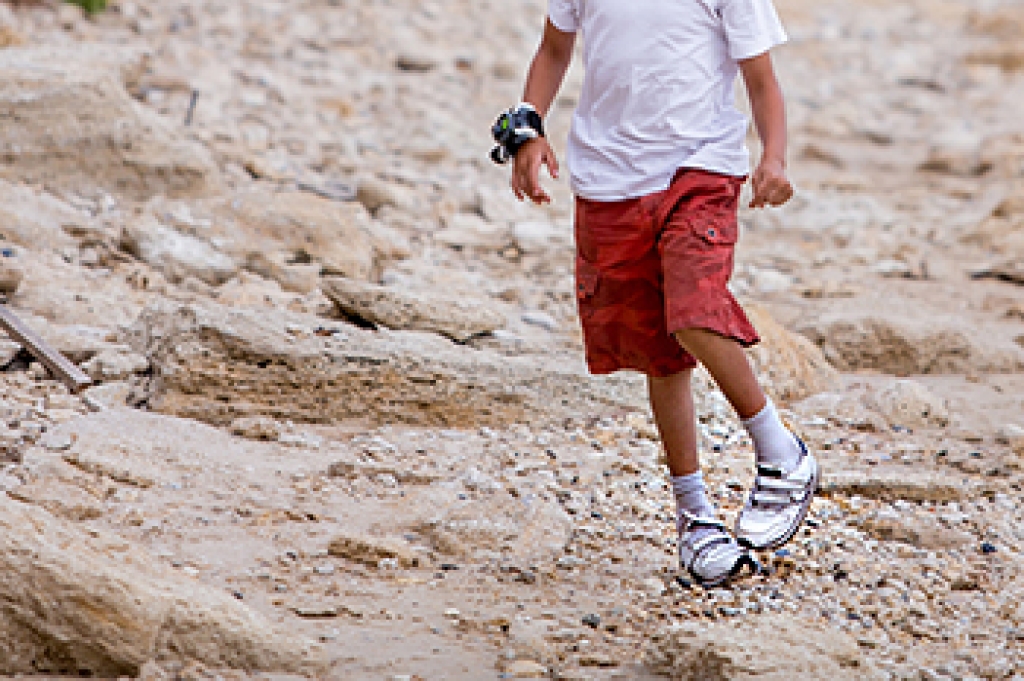
Congenital foot problems are present at birth and affect the shape, position, or movement of a baby's foot. Some conditions are easy to recognize soon after delivery, while others become more noticeable as a child begins standing or walking. Common examples include clubfoot, which turns the foot inward and downward, and metatarsus adductus, where the front of the foot curves inward. In some cases a child has trouble placing the foot flat on the ground or has one foot that appears different from the other. Early evaluation is important because proper development of the feet supports healthy balance, posture, and movement throughout childhood.
Some congenital foot problems are mild, while others affect the bones, joints, and muscles more significantly. A child might walk with an unusual gait, seem unsteady, or avoid putting weight on one foot. Shoes can fit poorly because of the foot's shape. A podiatrist carefully examines the feet, watches how the child stands and walks, and determines how flexible the affected foot is. Imaging tests, like X-rays, also help confirm the diagnosis when necessary. Prompt care helps identify whether the condition is likely to improve with guided treatment or requires closer monitoring. Early diagnosis also lowers the chance of long-term problems with walking and foot development.
A podiatrist creates a treatment plan based on the child's age and the type of congenital foot problem. Care includes gentle correction methods, custom orthotics, or special casts that gradually improve foot position. Some children benefit from braces that support healthy alignment as they grow. When the condition is more severe, surgery provides the best opportunity to improve foot function and comfort. Regular follow-up visits allow the podiatrist to monitor progress and adjust treatment as the child develops. If your child was born with a foot problem, it is suggested that you are under the care of a podiatrist who can guide you toward effective management solutions.
Congenital foot problems require immediate attention to avoid future complications. If you have any concerns, contact Dr. Sybil J. Fisher of Texas. Our doctor can provide the care you need to keep you pain-free and on your feet.
Congenital foot problems are deformities affecting the feet, toes, and/or ankles that children are born with. Some of these conditions have a genetic cause while others just happen. Some specific foot ailments that children may be born with include clubfeet, polydactyly/macrodactyly, and cleft foot. There are several other foot anomalies that can occur congenitally. What all of these conditions have in common is that a child may experience difficulty walking or performing everyday activities, as well as trouble finding footwear that fits their foot deformity. Some of these conditions are more serious than others. Consulting with a podiatrist as early as possible will help in properly diagnosing a child’s foot condition while getting the necessary treatment underway.
What are Causes of Congenital Foot Problem?
A congenital foot problem is one that happens to a child at birth. These conditions can be caused by a genetic predisposition, developmental or positional abnormalities during gestation, or with no known cause.
What are Symptoms of Congenital Foot Problems?
Symptoms vary by the congenital condition. Symptoms may consist of the following:
Treatment and Prevention
While there is nothing one can do to prevent congenital foot problems, raising awareness and receiving neonatal screenings are important. Early detection by taking your child to a podiatrist leads to the best outcome possible.
If you have any questions, please feel free to contact one of our offices located in Houston and Sugar Land, TX . We offer the newest diagnostic and treatment technologies for all your foot care needs.

Falls in older people are a major health concern that can lead to serious injury, reduced independence, and decreased quality of life. Many falls are linked to reduced ankle strength, poor balance, and changes in foot structure that occur with aging. The ankles can be strengthened by practicing specific foot stretches, making the overall foot stronger. The feet and ankles play a critical role in stability, as they provide the base of support for movement and posture. When strength and coordination decline, the risk of falling increases, especially during walking or changes in direction.
Common symptoms associated with fall risk include unsteady walking, weakness in the lower legs, and difficulty maintaining balance when standing still. Some individuals may notice slower reaction time or a tendency to shuffle while walking. Ankle pain from falling may also develop, leading to further instability and hesitation during movement. These symptoms often create a cycle where reduced confidence leads to less activity, which then weakens muscles and increases fall risk over time. Early recognition of these signs is important for prevention.
Risk factors for falls in older adults include decreased muscle strength, joint stiffness, and poor flexibility. Conditions such as arthritis, neuropathy, and vision changes can affect coordination and awareness of surroundings. Wearing improper footwear and uneven surfaces further increase the likelihood of losing balance. Weak ankles and limited range of motion reduce the ability to adjust quickly during movement. These factors combined make it more difficult to maintain stability, especially in challenging environments or during sudden movements.
Improving ankle strength and balance can significantly reduce fall risk. Simple exercises such as ankle circles, heel raises, and gentle stretches help improve flexibility and stability. Balance training, including standing on one foot or practicing controlled movements, enhances coordination and confidence. Wearing supportive footwear and having a safe home environment also play an important role in prevention. If you have injured your ankle from falling, or if balance concerns are present, it is suggested that you consult a podiatrist who can provide effective relief solutions.
Preventing falls among the elderly is very important. If you are older and have fallen or fear that you are prone to falling, consult with Dr. Sybil J. Fisher from Texas. Our doctor will assess your condition and provide you with quality advice and care.
Every 11 seconds, an elderly American is being treated in an emergency room for a fall related injury. Falls are the leading cause of head and hip injuries for those 65 and older. Due to decreases in strength, balance, senses, and lack of awareness, elderly persons are very susceptible to falling. Thankfully, there are a number of things older persons can do to prevent falls.
How to Prevent Falls
Some effective methods that older persons can do to prevent falls include:
Falling can be a traumatic and embarrassing experience for elderly persons; this can make them less willing to leave the house, and less willing to talk to someone about their fears of falling. Doing such things, however, will increase the likelihood of tripping or losing one’s balance. Knowing the causes of falling and how to prevent them is the best way to mitigate the risk of serious injury.
If you have any questions, please feel free to contact one of our offices located in Houston and Sugar Land, TX . We offer the newest diagnostic and treatment technologies for all your foot care needs.
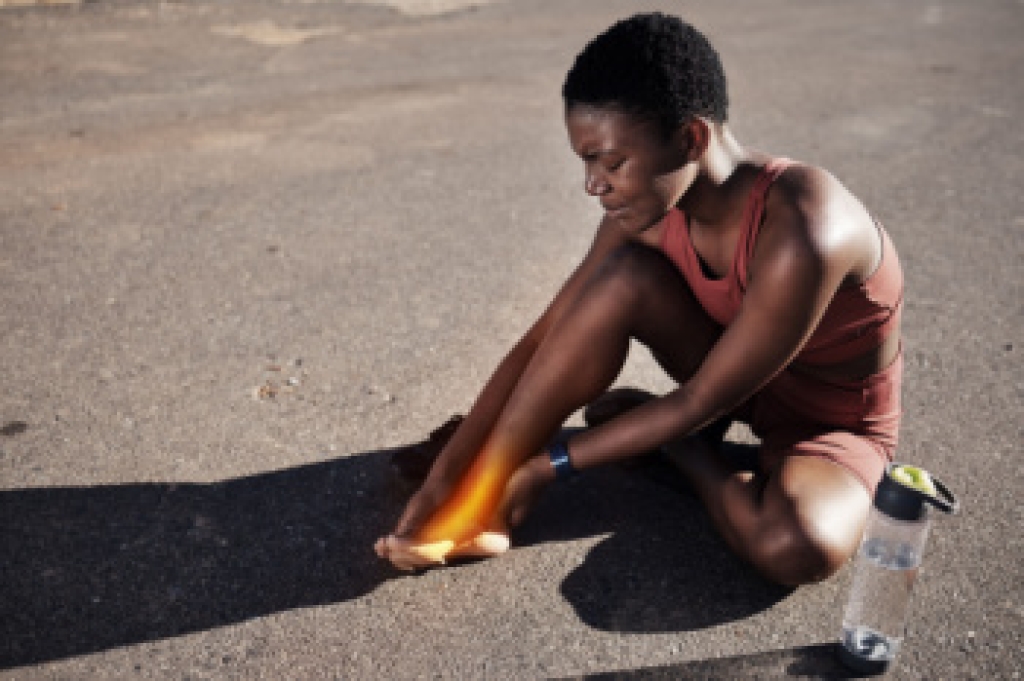
Foot pain is a broad term used to describe discomfort in any part of the foot, including the heel, arch, toes, or ball of the foot. It is one of the most common reasons patients seek care from a podiatrist, because the feet are essential for standing, walking, and overall mobility. Foot pain can develop gradually or suddenly and may range from mild soreness to sharp or debilitating discomfort. In clinical terms, it can be associated with musculoskeletal strain, nerve irritation, joint inflammation, or structural abnormalities that affect how the foot functions during movement.
Symptoms of foot pain vary, depending on the underlying cause, but often include aching, burning, stabbing sensations, or tenderness in specific areas of the foot. Some people may experience pain only during activity, while others feel discomfort even at rest. Additional symptoms can include reduced range of motion, difficulty bearing weight, or changes in walking patterns as the body compensates for discomfort. In some cases, numbness or tingling may also be present, suggesting possible nerve involvement, like neuropathy or nerve compression.
Risk factors for developing foot pain include wearing improper footwear, excessive physical activity, prolonged standing, and obesity. All of these can place added stress on the foot structures. Age is also a contributing factor, as natural wear and tear can weaken bones, joints, and soft tissues. Individuals with flat feet, high arches, diabetes, or arthritis are at increased risk. This is due to structural or medical conditions that affect foot stability and function. Occupations that require long hours of standing on hard surfaces may also contribute to chronic foot pain.
The causes of foot pain include plantar fasciitis, tendonitis, stress fractures, or bunions. Hammertoes, nerve entrapment, or joint degeneration are other factors. Overuse injuries are common in athletes and active individuals, while degenerative conditions are more common in older adults. Poor biomechanics, such as abnormal gait or misalignment, can place uneven pressure on different parts of the foot that lead to pain. Without proper evaluation, the underlying cause may worsen and cause chronic discomfort or mobility limitations. If you have any type of foot pain, it is suggested that you consult a podiatrist for an accurate diagnosis and appropriate treatment.
Foot Pain
Foot pain can be extremely painful and debilitating. If you have a foot pain, consult with Dr. Sybil J. Fisher from Texas. Our doctor will assess your condition and provide you with quality foot and ankle treatment.
Causes
Foot pain is a very broad condition that could be caused by one or more ailments. The most common include:
Diagnosis
To figure out the cause of foot pain, podiatrists utilize several different methods. This can range from simple visual inspections and sensation tests to X-rays and MRI scans. Prior medical history, family medical history, and any recent physical traumatic events will all be taken into consideration for a proper diagnosis.
Treatment
Treatment depends upon the cause of the foot pain. Whether it is resting, staying off the foot, or having surgery; podiatrists have a number of treatment options available for foot pain.
If you have any questions, please feel free to contact one of our offices located in Houston and Sugar Land, TX . We offer the newest diagnostic and treatment technologies for all your foot care needs.



Copyright © 2016 S.J. Fisher DPM | Site Map | Website Privacy Statement | Design by: Podiatry Content Connection
