
Houston (832) 673-0500
Sugar Land (281) 313-6300


Houston (832) 673-0500
Sugar Land (281) 313-6300

Ankle fractures occur when one or more of the bones in the ankle, typically the tibia, fibula, or talus, break due to trauma or excessive stress. Common causes ican nclude sports injuries, falls, or accidents, where a sudden impact or twisting motion can lead to a fracture. Ankle fractures can range from minor hairline cracks to severe breaks that disrupt joint alignment. Symptoms of an ankle can fracture include severe pain, swelling, and difficulty in bearing weight. Immediate treatment involves immobilizing the ankle and seeking medical attention for a proper diagnosis through X-rays. Initial remedies for an ankle fracture include rest and elevation to manage swelling and pain. If you suspect an ankle fracture, it is strongly suggested that you contact a podiatrist for an appointment. They may recommend a cast or splint to immobilize the ankle, and in some cases, surgery may be required to realign the bones.
Broken ankles need immediate treatment. If you are seeking treatment, contact Dr. Sybil J. Fisher from Texas. Our doctor can provide the care you need to keep you pain-free and on your feet.
Broken Ankles
A broken ankle is experienced when a person fractures their tibia or fibula in the lower leg and ankle area. Both of these bones are attached at the bottom of the leg and combine to form what we know to be our ankle.
When a physician is referring to a break of the ankle, he or she is usually referring to a break in the area where the tibia and fibula are joined to create our ankle joint. Ankles are more prone to fractures because the ankle is an area that suffers a lot of pressure and stress. There are some obvious signs when a person experiences a fractured ankle, and the following symptoms may be present.
Symptoms of a Fractured Ankle
If you suspect an ankle fracture, it is recommended to seek treatment as soon as possible. The sooner you have your podiatrist diagnose the fracture, the quicker you’ll be on the way towards recovery.
If you have any questions, please feel free to contact one of our offices located in Houston and Sugar Land, TX . We offer the newest diagnostic and treatment technologies for all your foot care needs.
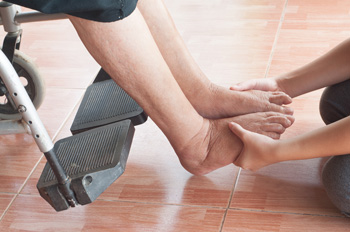
Foot issues in older adults are often linked to frailty and decreased motor performance, significantly impacting their quality of life. Common problems include arthritis, bunions, calluses, and reduced foot flexibility, leading to pain and difficulty walking. These issues can increase the fear of falling, contributing to reduced mobility and independence. A podiatrist can perform a gait analysis and balance assessment to identify specific problems. Customized orthotics, proper footwear recommendations, and targeted exercises can improve stability and alleviate pain. If you are elderly or taking care of an older person, it is suggested that you schedule regular podiatric visits to help maintain foot health, enhance mobility, and reduce the risk of falls.
If you need your feet checked, contact Dr. Sybil J. Fisher of Texas. Our doctor will attend to all of your foot and ankle needs and provide you with quality treatment.
Geriatrics and Podiatry
When people age, some common issues that may occur are bone density loss, dry skin, poor circulation, and rough brittle nails. These issues may also affect your foot health if the necessary steps are not taken to alleviate the problems.
It is important to take care of your feet because feet that are injured or diseased can affect your overall health. Having painful feet hinders your ability to do daily activities or may decrease your willingness to do the things that you need to do.
Visiting Your Geriatrician
As we age, health problems become more likely, so it is essential to visit your doctor for check-ups to ensure that you are doing the best you can to take care of your health. It is recommended to check your feet frequently for any possible cuts, bruises, swelling, corns or any other irregularities.
Taking Care of Elderly Feet
Cracked or dry feet can be treated by applying moisturizer often. It is also important not to wear old socks because the older the sock is, the higher the possibility there will be that there is bacteria there. Wear fresh socks and make sure they fit properly.
Proper foot health means that you can have a more active lifestyle and you will not be bogged down by pain. Foot health also leads to good circulation, which is paramount for overall health.
If you have any questions, please feel free to contact one of our offices located in Houston and Sugar Land, TX . We offer the newest diagnostic tools and technology to treat your foot and ankle needs.

Finding the right shoes for your child can be a real challenge, especially with their feet constantly growing and changing. To ensure a proper fit, start by checking for wiggle room at the front of the shoe. Aim for about half an inch between the tip of your child’s longest toe and the end of the shoe to allow for comfortable toe movement. Next, focus on the width by examining the widest part of the foot, making sure there’s no bulging or squeezing of the pinky toe, which indicates the shoe is too narrow. Finally, assess the heel fit by sliding your finger between the back of the shoe around your child’s heel. If you can fit more than one or two fingers, the shoe may be too wide. Properly fitting shoes are important for your child’s comfort and foot health. For more information about how to find the right shoes for your child, it is suggested you make an appointment with a podiatrist.
The health of a child’s feet is vital to their overall well-being. If you have any questions regarding foot health, contact Dr. Sybil J. Fisher of Texas. Our doctor can provide the care you need to keep you pain-free and on your feet.
Tips for Keeping Children's Feet Healthy
If you have any questions, please feel free to contact one of our offices located in Houston and Sugar Land, TX . We offer the newest diagnostic and treatment technologies for all your foot care needs.
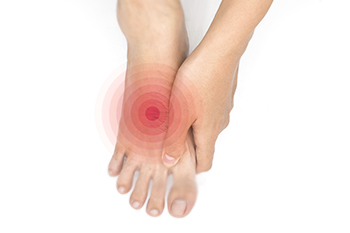
Diabetes can lead to serious complications, including damage to the feet. One common sign is persistent pain, often described as sharp or tingling, which may indicate nerve damage, also known as neuropathy. Another symptom is a burning sensation, particularly in the feet, which can worsen at night. Swelling is also a concern, as it may signal poor circulation or fluid retention, both common in diabetic patients. Changes in skin color, ranging from pale to red or blue, can indicate reduced blood flow or infection. These signs should not be ignored, as diabetic foot damage can lead to ulcers, infections, and in severe cases, amputation. Regular foot inspections, maintaining healthy blood sugar levels, wearing proper footwear, and seeking immediate medical attention for any concerning symptoms are vital steps in managing and preventing diabetic foot complications. If you have diabetes, it is suggested that you are under the care of a podiatrist who can help you to manage this condition.
Diabetic foot care is important in preventing foot ailments such as ulcers. If you are suffering from diabetes or have any other concerns about your feet, contact Dr. Sybil J. Fisher from Texas. Our doctor can provide the care you need to keep you pain-free and on your feet.
Diabetic Foot Care
Diabetes affects millions of people every year. The condition can damage blood vessels in many parts of the body, especially the feet. Because of this, taking care of your feet is essential if you have diabetes, and having a podiatrist help monitor your foot health is highly recommended.
The Importance of Caring for Your Feet
Patients with diabetes should have their doctor monitor their blood levels, as blood sugar levels play such a huge role in diabetic care. Monitoring these levels on a regular basis is highly advised.
It is always best to inform your healthcare professional of any concerns you may have regarding your feet, especially for diabetic patients. Early treatment and routine foot examinations are keys to maintaining proper health, especially because severe complications can arise if proper treatment is not applied.
If you have any questions please feel free to contact one of our offices located in Houston and Sugar Land, TX . We offer the newest diagnostic and treatment technologies for all your foot and ankle needs.

Do you suffer from heel pain when you get up in the morning? If so, you should seek professional help and have a proper diagnosis performed. Heel pain can be caused by several different foot-related conditions.



Copyright © 2016 S.J. Fisher DPM | Site Map | Design by: Podiatry Content Connection

